
WELCOME TO
HURST PEDIATRIC DENTISTRY!
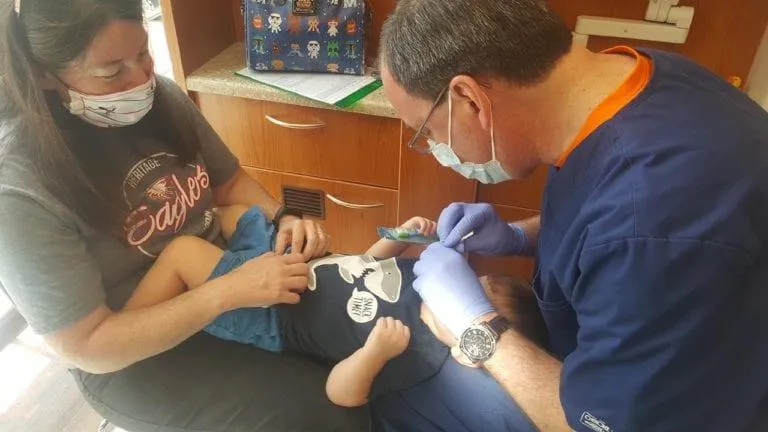
Here at the pediatric dental office of Dr. Joby Hurst, we take pride in offering our young patients the highest quality of dental care in a kid-friendly environment. We are conveniently located in Birmingham, Alabama and are experienced in providing routine dental care for infants, children, teens and patients with special needs.
Dr. Hurst and his team of friendly professionals work together to provide a positive dental experience that will make your child smile! We promise to work with you and your child personally and create a customized treatment plan to meet your individual needs and desires.
Office tour
Early Dental Care
We believe early dental care can promote a lifetime of healthy smiles for your child. We offer a full range of services from routine dental exams and cleanings to fillings, sealants and fluoride treatments that will help ensure that your child grows up with a healthy smile.
Sedation Dentistry
We recognize that for some of our patients, a visit to the dentist makes them a bit nervous.
We offer nitrous oxide sedation for our more apprehensive patients, so they can relax while receiving the dental care that they need.
For those requiring more intensive treatment, Dr. Hurst offers in office anesthesia using Dr. Jeff Plagenhoef.
Dr. Jeff is a board-certified pediatric anesthesiologist with Pediatric Dental Anesthesia Associates.
We appreciate your interest in our practice and encourage you to continue exploring our website to learn more about us. Feel free to contact us to schedule an appointment with Dr. Joby Hurst today!
Blogs and Resources
How Nighttime Habits Impact Children's Oral Health: A Parent’s Guide
Because a smile’s strongest defense starts after storytime.
As a parent, you’re juggling a million things before bedtime—bath time, pajamas, one more story, one more snack. It’s easy to think, “We’ll just brush in the morning.” But here’s the truth: what your child does before bed has a bigger impact on their oral health than you might realize.
While we sleep, our saliva (which helps wash away food particles and bacteria) slows down. That means if sugar or plaque is left behind, it can quietly go to work all night—leading to tooth decay, enamel erosion, and even early cavities in those precious baby teeth.
But the good news? You don’t need a perfect routine. You just need a consistent one. That’s where we come in.
At Hurst Pediatric Dentistry, we believe bedtime shouldn’t feel like a battleground. With the right nighttime dental habits, your child can wake up each day one step closer to a lifelong healthy smile—and you can feel confident knowing you're doing the very best for their growing grin.

Why Nighttime Oral Health for Kids Is So Important
Because while your child sleeps, their teeth are still hard at work.
Nighttime is when your child’s smile is most vulnerable. Once the lights go out and your little one drifts off, their mouth environment changes in ways many parents don’t realize. Understanding why nighttime oral care matters makes it easier to stay consistent—even on busy evenings.
What Happens in Your Child’s Mouth While They Sleep
During the day, saliva acts like a natural rinse. It washes away food particles, neutralizes acids, and helps protect enamel. At night, saliva production slows significantly.
That means:
Bacteria stick around longer
Acids stay active on tooth surfaces
Teeth have fewer natural defenses
Without proper children’s nighttime dental care, plaque bacteria can spend hours feeding on leftover sugars, increasing the risk of decay.
Why Kids Are More Vulnerable at Night Than Adults
Children’s teeth are still developing, and their enamel is thinner than adult enamel. This makes them more sensitive to acid attacks, especially overnight.
Baby teeth also play an important role beyond chewing. They:
Hold space for adult teeth
Support proper speech development
Help build lifelong oral health habits
Protecting nighttime oral health for kids isn’t just about today—it’s about setting the foundation for healthy smiles in the future.
How Bedtime Snacks and Drinks Impact Teeth Overnight
Even small bedtime snacks can cause big problems if teeth aren’t cleaned afterward. Milk, juice, fruit, crackers, and even “healthy” snacks contain sugars or carbohydrates that bacteria love.
When kids go to sleep without brushing:
Sugar sits on teeth for hours
Bacteria produce enamel‑weakening acids
Cavities can begin forming quietly, without pain at first
This is why brushing after the very last snack or drink is such an important part of any pediatric dental care night routine.
Why Skipping Just One Night Can Turn Into a Habit
Life happens. Kids fall asleep on the couch. Travel disrupts routines. Illness throws everything off. One missed night isn’t a failure—but repeated skips can quickly become a pattern.
Over time, inconsistent bedtime brushing increases the likelihood of:
Early childhood cavities
Tooth sensitivity
Dental anxiety when treatment becomes necessary
The goal isn’t perfection. It’s consistency, grace, and getting back on track the next night.
Parent reassurance: If bedtime brushing feels like a struggle right now, you’re not doing anything wrong. With the right tools, encouragement, and support, healthy nighttime habits are possible.

Common Kids Bedtime Dental Habits That Harm Teeth
Because even the sweetest routines can turn sour for tiny smiles.
At Hurst Pediatric Dentistry, we know that bedtime is one of the busiest times in any home—especially when little ones are involved. You’re tired, they’re wiggly, and everyone’s ready to hit the pillow. But some common bedtime habits—often done out of comfort or convenience—can slowly undermine your child’s oral health over time.
Understanding these habits gives you the power to gently shift them—and protect those growing smiles from preventable problems.
Falling Asleep with a Bottle or Sippy Cup
This is one of the most common causes of early childhood cavities, especially among babies and toddlers. The issue isn’t the bottle—it’s what’s inside it.
Whether it’s:
Milk
Juice
Formula
Flavored water
...those liquids all contain sugars (even natural ones like lactose or fructose) that coat your child’s teeth.
At night, when saliva production slows down, those sugars stay put. The bacteria in your child’s mouth feed on them, producing acid that wears away enamel while they sleep. This can lead to a condition known as baby bottle tooth decay—and it often starts in the upper front teeth.
What to do instead:
Offer water if your child needs comfort sucking during sleep
Brush after the last bottle if they drink milk before bed
If weaning, try slowly reducing the amount of milk in the bottle each night
Bedtime Snacks Without Brushing After
We get it—bedtime snacks can be part of the wind-down routine. A handful of crackers, half a banana, or a “just one cookie” moment happens in most homes. But here’s the hidden issue: carbohydrates and sugars from snacks linger on teeth just like candy.
When kids go to bed without brushing after snacking, bacteria get a full 8-hour buffet to work on enamel.
Common culprits:
Graham crackers
Fruit gummies
Granola bars
Cereal with or without milk
Raisins or dried fruit
Gentle insight from your pediatric dental team: Even healthy snacks can cause decay if teeth aren’t brushed afterward. It’s not about eliminating every food—it’s about knowing when to clean up afterward.
Helpful habit swap:
Designate a “kitchen closed” time after brushing
Make brushing the final step, like pajamas or a bedtime story
Keep a fun toothbrush in the bathroom just for the “goodnight grin” routine
Skipping Brushing “Just This Once”
Some nights, your child is already asleep in the car seat or curled up on the couch mid-cartoon. And brushing feels like a battle not worth fighting.
However, when “just this once” becomes a frequent occurrence, it creates a pattern. Plaque builds up quickly, especially on molars and in between teeth. And because early cavities don’t always hurt at first, they’re often missed until they’ve already progressed.
Pro tip for busy nights:
Keep a pre-pasted disposable toothbrush in the diaper bag or car
Let kids “brush” while you read their story—even if it’s not perfect, it’s progress
If your child resists, try brushing your teeth first—modeling helps!
What matters most? Consistency over perfection. One missed night isn’t a failure—but making bedtime brushing a daily non-negotiable makes a major long-term difference.
Mouth Breathing While Sleeping
If your child regularly sleeps with their mouth open, it may not seem like a big deal—but it can increase their risk of cavities and dry mouth. Saliva is one of the body’s best natural defenses against decay, and breathing through the mouth overnight dries it out.
Mouth breathing can also:
Alter oral development
Lead to bad breath
Increase plaque buildup
What to look for:
Loud snoring or mouth breathing at night
Chronic dry lips or dry mouth in the morning
Teeth that appear more yellow due to dry plaque
If you notice frequent mouth breathing, bring it up during your next dental visit. We may recommend a pediatrician or ENT evaluation to rule out nasal blockages, enlarged tonsils, or sleep-disordered breathing.
Teeth Grinding (Bruxism)
Many kids grind their teeth at night—often without even knowing it. It can be due to stress, sensory needs, or even how their teeth fit together. Most children outgrow it, but persistent grinding can cause:
Tooth wear
Headaches
Jaw discomfort
Increased sensitivity
If you hear clicking, grinding, or notice flat edges on their molars, let your pediatric dentist know.
What we may suggest:
Monitoring the habit if it’s mild
Evaluating stress or sensory triggers
Custom night guards (for older kids, if needed)
You’re not expected to be perfect. Many of these habits are born from love and routine—not neglect. With the right information, gentle adjustments, and support from your pediatric dental team, you can protect your child’s smile one night at a time.

A Simple, Stress-Free Pediatric Dental Care Night Routine
Because bedtime doesn’t have to be a battle to build healthy smiles.
Creating a nighttime routine that supports your child’s oral health doesn’t have to be complicated—or stressful. In fact, the most effective routines are often the simplest. The goal is consistency, not perfection. When you find a rhythm that works for your family, bedtime brushing becomes second nature instead of a nightly fight.
Let’s walk through a pediatric dental care night routine that’s both dentist-approved and kid-friendly.
Step-by-Step: Your Child’s Nighttime Oral Health Routine
Brush for Two Full Minutes: Use a soft-bristled toothbrush and a pea-sized amount of fluoride toothpaste. For children under 3, a smear the size of a grain of rice is enough.
Pro Tip: Use a timer, a song, or a brushing app to make it fun.
Floss Between Any Touching Teeth: Even baby teeth can trap food and plaque in tight spaces. If two teeth touch, it’s time to floss—once a day is ideal, and bedtime is the best time. Floss picks, or flossers made for kids are often easier than traditional string.
Rinse (if appropriate): For children old enough to spit, rinsing with water or a gentle fluoride rinse can help clear away loosened plaque and protect enamel. Skip this step for younger kids who still swallow toothpaste.
Final Sip of Water Only: After brushing and flossing, the only thing that should touch your child’s teeth is water. No milk, juice, or bedtime snacks.
Tips to Make Brushing Fun (and Less of a Struggle)
Let them choose their toothbrush: Kids love having ownership! A toothbrush with their favorite color or character makes a big difference.
Make brushing a family activity: Children are more likely to brush if they see you brushing too. Bonus: it’s a great bonding time!
Turn it into a game: Create a superhero tooth-brushing challenge. Pretend they’re brushing away “sugar bugs” or racing a villain named “Plaque-zilla.”
Use visual reminders: Sticker charts, brushing calendars, or “bedtime checklists” can help kids build the habit.
Celebrate small wins: Did they brush without a meltdown? Awesome! Praise them genuinely. Over time, that encouragement builds motivation and confidence.
Adapting the Routine for Special Needs or Sensory Sensitivities
We know that for some children—especially those with sensory challenges, developmental delays, or medical needs—brushing can be overwhelming.
Here are a few supportive ideas that may help:
Use an electric toothbrush with soft vibrations, if tolerated
Let your child hold a favorite comfort item during brushing
Use flavored (or unflavored) toothpaste options to reduce aversion
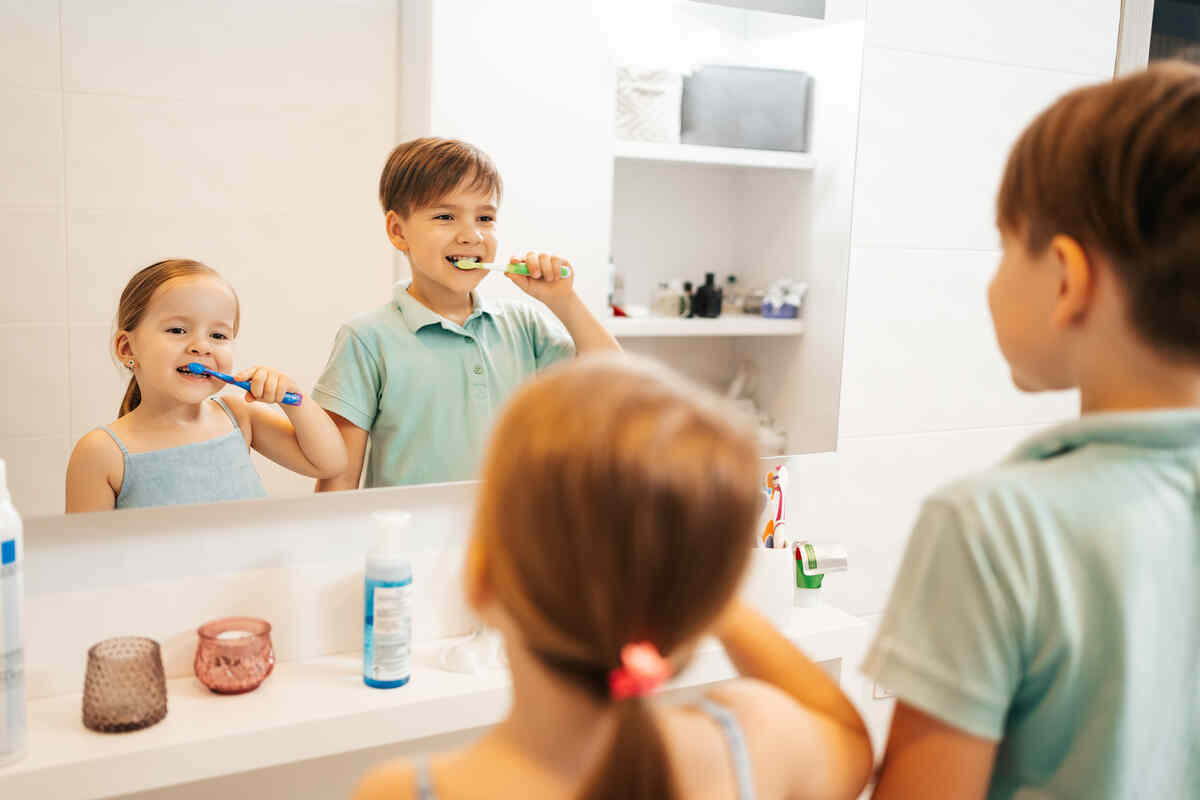
Try brushing in front of a mirror so they can see what’s happening
Use social stories or visual schedules to build familiarity with the steps
Reminder: You are not alone. We’re here to support you with personalized tips and strategies. If brushing is a daily battle, bring it up during your visit—we’re happy to help.
You don’t need to have a perfect bedtime routine. You just need a few simple steps, done with love and consistency. Every night you brush, floss, and offer water instead of milk is a night you’ve protected your child’s growing smile.
Even when the day feels long and chaotic, these small actions are big wins. They create the foundation for confidence, comfort, and cavity-free checkups.

How to Build Lasting Kids Bedtime Dental Habits
Because healthy habits don’t start perfect—they start small, and grow stronger over time.
We all want to raise kids who brush and floss without being asked. But let’s be honest—bedtime is rarely smooth, especially with tired toddlers or independent-minded six-year-olds.
Here’s the good news: building consistent kids bedtime dental habits doesn’t require fancy tools or flawless execution. What it really takes is a little structure, a lot of encouragement, and knowing how to meet your child where they are.
Let’s break it down.
Keep the Routine Predictable
Children thrive on routine. When brushing and flossing happen at the same time, in the same place, in the same order every night, they become part of your child’s internal rhythm—just like putting on pajamas or listening to a bedtime story.
Try this sample nighttime routine:
Bath
Pajamas
Brush + floss
Storytime
Lights out
Even if your day was unpredictable, anchoring oral care in the bedtime flow helps make it automatic.
Make Dental Habits Engaging and Interactive
Kids are more likely to follow through when they’re involved in the process.
Let them:
Pick their toothbrush and toothpaste
Help brush a stuffed animal’s “teeth” first
Set the timer or press play on a 2-minute song
Choose a reward sticker for their brushing chart
Pro tip: Brushing charts don’t have to be fancy. Even a sticky note and a crayon can be enough to create a sense of progress and celebration.
Brush With Them
We can’t say this enough: modeling works. Kids copy what they see.
When you brush and floss with your child:
They feel less singled out
You can gently correct their technique
It becomes shared quality time, not just a “task.”
“Want to race me?” or “Let’s brush to this silly song together!” turns a chore into a connection point.
Start With What You Can Sustain
If your current bedtime routine is chaos (we’ve been there), don’t try to overhaul everything at once. Instead, focus on building one consistent habit at a time.
Start with brushing every night, no matter how quick
Once that feels easy, add flossing
Then layer in fun (stickers, apps, games) to increase buy-in
Think of it like muscle memory for their mouth—it grows with repetition, not perfection.
Use Encouragement, Not Pressure
At Hurst Pediatric Dentistry, we believe in positive guidance. Shame or frustration doesn’t help—especially with young children. Instead, offer gentle reminders and recognize effort over results.
Say this:
“You’re doing such a great job getting every tooth!”
“Wow! Your smile is going to be extra sparkly tomorrow.”
“Let’s see if we can get all the sugar bugs tonight—can you help me find them?”
Avoid this:
“You have to brush, or your teeth will rot.”
“Why didn’t you brush better?”
“If you don’t brush, you’ll get a cavity and need a shot.”
Kindness builds confidence—and confident kids are more likely to stick with healthy habits.
Some nights, your child might refuse to open their mouth. Other nights, you’ll catch them brushing their stuffed animals’ teeth with toothpaste and pride. That’s how it goes.
The goal isn’t perfection. The goal is progress.

What to Do When Things Don’t Go As Planned
Because parenting isn’t perfect—and that’s okay.
No matter how solid your routine, life happens. A missed night. A stubborn toddler. A vacation that throws everything off. And suddenly, you’re wondering if the bedtime dental habits you’ve worked so hard to build are slipping through your fingers.
Take a breath—you’re not alone. Here’s how to respond with grace, not guilt, when dental routines go sideways.
When You Miss a Night (Or a Few)
It happens to everyone. Maybe your child fell asleep in the car, or maybe you did. Missing a night (or even a few in a row) doesn’t mean all your efforts are lost. The key is to get back to the routine without shame or pressure.
What to do:
Simply resume brushing the next night like usual
Don’t make a big deal of it—kids respond best to consistency, not guilt
Rebuild with baby steps if needed (just brushing first, then reintroduce flossing)
Remember: Habits aren’t broken in one night. They’re strengthened over time.
When Traveling or Out of Routine
Sleepovers, hotel rooms, camping trips—all of these disrupt the usual flow. When your surroundings change, oral care can get lost in the shuffle.
Try packing a small “tooth kit” with:
Travel toothbrush + toothpaste
Flossers
A timer or brushing app if tech is allowed
Their favorite toothbrush or a brand-new one as a “vacation treat.”
Even if you only manage a quick brush with a tiny smear of paste in a bathroom mirror at a rest stop, it counts. Every small action helps reinforce the habit.
When Your Child Flat-Out Refuses
Some nights brushing feels like a full-blown power struggle. Arms flail. Tears fall. Toothpaste ends up on the floor. Sound familiar?
If your child resists brushing:
Avoid turning it into a battle. Instead, offer choices: “Do you want the blue toothbrush or the pink one tonight?”
Use role play—let them brush your teeth first, or their doll’s teeth
Make brushing playful: chase the “sugar bugs,” brush with a silly voice, or play music
Stay calm and keep your energy positive—even if they’re upset
If brushing becomes a consistent stressor, especially for children with sensory needs, we can help brainstorm personalized strategies that work with (not against) your child’s comfort level.
When to Call Your Pediatric Dentist
If you’re struggling to get back into routine or your child is showing signs of dental issues (like bad breath, visible plaque, or bleeding gums), don’t wait.
Schedule a visit so we can:
Gently reset expectations
Check for any early signs of cavities or sensitivity
Offer tips and tools to support your family’s unique routine
Reassure your child with a no-pressure, kid-friendly check-in
Sometimes hearing the same advice from a dentist can make a big difference. It reinforces your message while building trust between your child and their care team.
You're not failing when things fall apart—you’re being real. Life is unpredictable, and your efforts matter even when they're imperfect.
Each time you get back on track, you teach your child something powerful: that caring for their health is worth returning to, again and again.

Conclusion
When you're juggling bedtime chaos, brushing battles, and one more request for water, it’s easy to wonder if these little dental habits even matter. But they do. In fact, they matter more than most parents realize. Each night you take two minutes to brush your child’s teeth, choose water over milk, or gently remind them to floss—you’re not just protecting enamel, you’re building lifelong habits. You’re teaching your child that their health is worth showing up for, even on the tired days.
And when things don’t go perfectly? That’s okay too. What counts is getting back on track with love, patience, and a willingness to keep trying. Small actions, repeated consistently, create big results. One cavity-free visit at a time. One confident, smiling child at a time.
At Hurst Pediatric Dentistry, we’re here to be your partner in that journey. Whether you’re navigating the toddler years, dealing with bedtime resistance, or simply want to know if your child’s routine is on the right track, we’re ready to support you with expert care and a kind heart.
We invite you to visit us at Hurst Pediatric Dentistry, located at 19 Inverness Center Parkway, Suite 250, Birmingham, AL 35242. You can also give us a call at (205) 969-7454 to schedule your child’s next appointment or speak with our team. Let’s work together to make bedtime smiles healthier—and happier—one night at a time.

19 INVERNESS CENTER PARKWAY, STE 250, BIRMINGHAM, AL 35242
TEL: 205.969.7454
E-MAIL: [email protected]
2018 © ALL RIGHTS RESERVED | PRIVACY POLICY | TERMS AND CONDITIONS
Site by Trustway Marketing Powered by Kyrios Systems