
WELCOME TO
HURST PEDIATRIC DENTISTRY!
Here at the pediatric dental office of Dr. Joby Hurst, we take pride in offering our young patients the highest quality of dental care in a kid-friendly environment. We are conveniently located in Birmingham, Alabama and are experienced in providing routine dental care for infants, children, teens and patients with special needs.
Dr. Hurst and his team of friendly professionals work together to provide a positive dental experience that will make your child smile! We promise to work with you and your child personally and create a customized treatment plan to meet your individual needs and desires.
Office tour
Early Dental Care
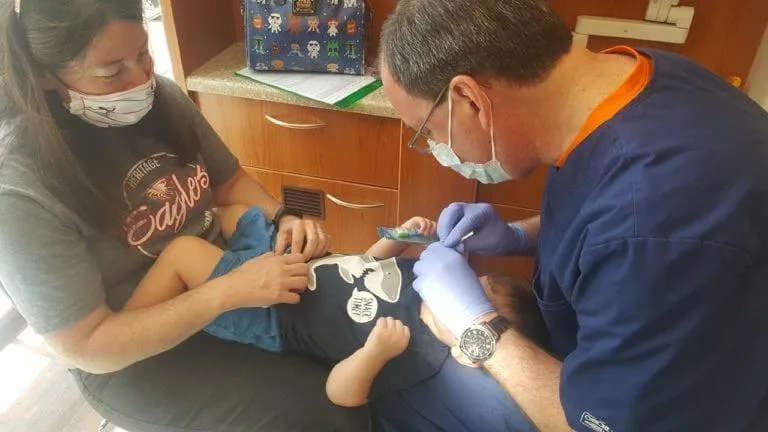
We believe early dental care can promote a lifetime of healthy smiles for your child. We offer a full range of services from routine dental exams and cleanings to fillings, sealants and fluoride treatments that will help ensure that your child grows up with a healthy smile.
Sedation Dentistry
We recognize that for some of our patients, a visit to the dentist makes them a bit nervous.
We offer nitrous oxide sedation for our more apprehensive patients, so they can relax while receiving the dental care that they need.
For those requiring more intensive treatment, Dr. Hurst offers in office anesthesia using Dr. Jeff Plagenhoef.
Dr. Jeff is a board-certified pediatric anesthesiologist with Pediatric Dental Anesthesia Associates.
We appreciate your interest in our practice and encourage you to continue exploring our website to learn more about us. Feel free to contact us to schedule an appointment with Dr. Joby Hurst today!
Blogs and Resources
Why Rushed Mornings Create Oral Health Gaps in Young Children
Why Rushed Mornings Create Oral Health Gaps in Young Children
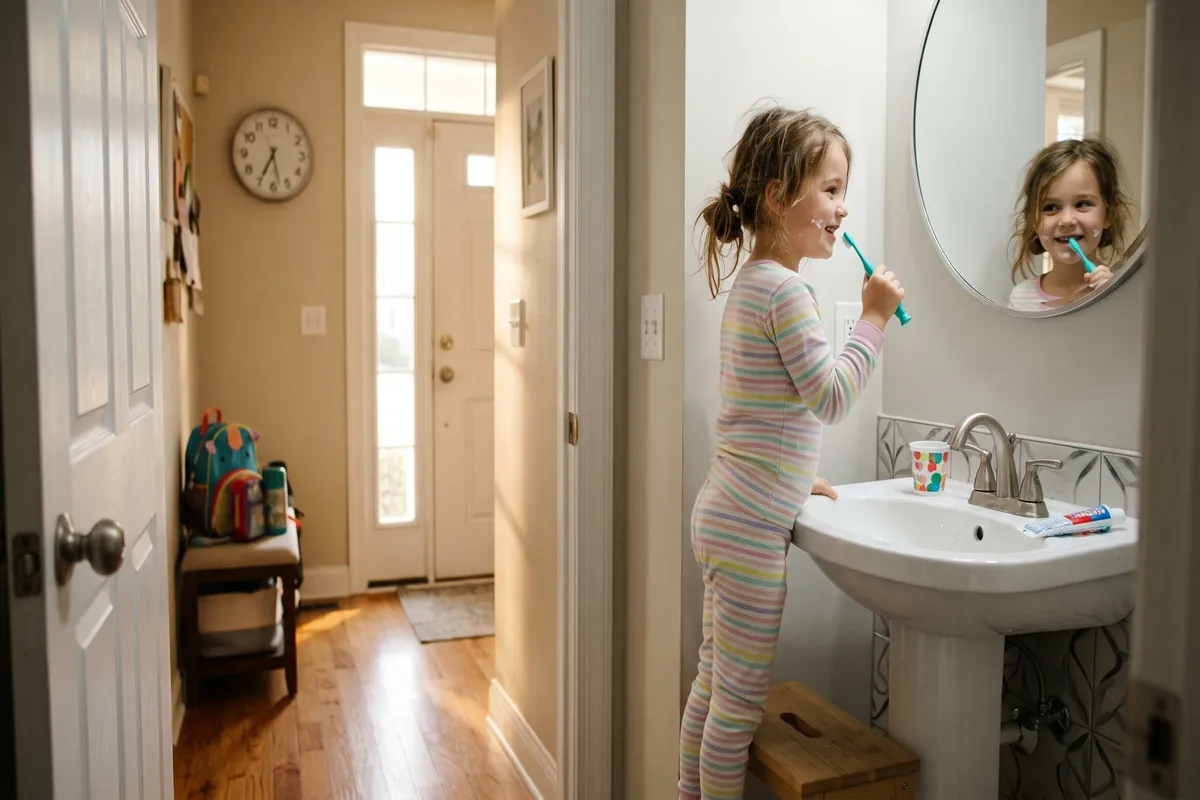
The morning routine with a young child is often a race against the clock. While the American Dental Association teeth cleaning guidance recommends brushing for two full minutes twice a day, finding that much time before the school bell rings feels nearly impossible. When you're rushing to pack lunches and find missing shoes, it's tempting to accept a quick, twenty-second brush just to check the box. You hand them the brush, they chew on it for a moment, and you head out the door hoping it was enough.
That quick morning brush might clear away the breakfast crumbs, but it leaves behind a sticky, invisible layer of bacteria on the most vulnerable parts of your child's teeth. A fast sweep usually only cleans the visible front teeth, missing the deep grooves in the back where cavities hide. When morning brushing gets cut short repeatedly, that leftover bacteria sits on the teeth all day, quietly feeding on snacks and producing the acids that weaken young enamel.
Accepting a rushed morning routine does not make you a bad parent, and it certainly does not mean you are failing at dental care. However, understanding exactly where these quick routines leave gaps can help you protect your child’s teeth without turning every morning into a high-stress battle. By shifting how you handle those chaotic few minutes, you can ensure their smile stays healthy even when time is tight.
What Actually Happens During a 30-Second Morning Brush
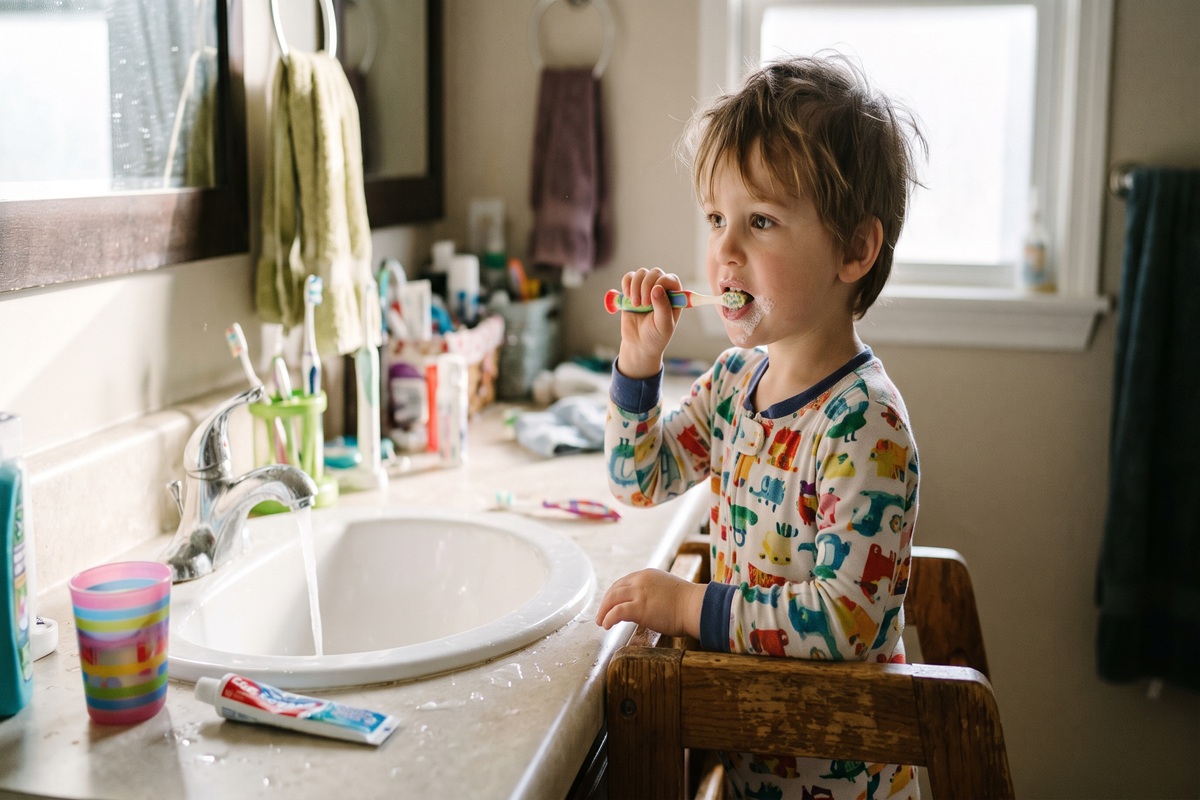
Most toddlers and young kids don't actually brush their teeth when left alone with a toothbrush. Instead, they usually suck the sweet, fruit-flavored toothpaste off the front bristles, bite down on the brush head, and chew on it for twenty seconds. It looks like brushing from across the bathroom, but biting down only cleans the flat edges of a few front teeth while completely missing the sides and back molars.
Many parents feel reassured seeing bubbles of toothpaste around their child's mouth, assuming the foam is doing the heavy lifting. Toothpaste brings helpful minerals to protect enamel, but bubbles alone can't scrub away plaque. Real cleaning requires physical friction, which means soft bristles must sweep across every tooth surface to break up the sticky bacterial film that forms overnight.
Young children simply haven't developed the fine motor skills needed to clean their own teeth thoroughly. Until kids can easily tie their own shoes or write smoothly usually around age seven or eight angling a brush around tight corners and along the gums is physically tough for them. Expecting a five-year-old to brush their entire mouth in thirty seconds before the school run leaves most surfaces untouched, no matter how eager they are to help.
The Three Spots Quick Morning Brushing Consistently Misses
When a morning brush wraps up in under a minute, the bristles rarely reach beyond the front teeth. Kids naturally focus on the parts of their smile that are easiest to see, leaving behind the spots where cavity-causing bacteria love to hide. Missing these areas day after day creates vulnerable pockets where plaque builds up before parents even notice.
The Deep Grooves of the Chewing Molars
Back molars have uneven chewing surfaces filled with tiny pits and deep grooves. Sticky breakfast foods like cereal, oatmeal, or toast get pressed down into these crevices as your child chews. A quick swipe across the top only brushes the peaks of the teeth, leaving food and plaque packed tightly into the valleys where enamel isn't as thick.
The Delicate Margin Along the Gumline
Plaque naturally settles along the border where teeth meet the gums, forming a soft, sticky film overnight. When kids rush their brushing, they tend to scrub straight across the center of their teeth and skip the gumline completely because sensitive gums can feel ticklish. Leaving this margin unbrushed allows plaque to harden into tartar, leading to red, puffy gums and decay right at the base of the tooth.
The Inner Tooth Surfaces Facing the Tongue and Palate
Children almost always brush with their eyes locked on the mirror, focusing entirely on the outer surfaces everyone can see. The backside of the teeth, facing the roof of the mouth on top and the tongue on the bottom, gets skipped during quick morning routines. Because saliva pools around the lower inside teeth, minerals and bacteria collect quickly here, making it one of the most common spots for missed plaque to cause trouble.
The Parent-Assisted Routine: Keeping Teeth Clean Without the Morning Battle

You don't need to turn your bathroom into a lecture hall or fight an exhausting tug-of-war before school. A simple daily routine that pairs your child's growing independence with a quick adult touch-up protects their teeth while keeping mornings calm.
The "Tag-Team" Method for Growing Independence
Toddlers and young kids love doing things on their own, and stepping in too quickly can trigger an immediate standoff. The easiest way around this resistance is the tag-team approach: your child brushes first, and then you take a quick turn. Giving your child the first turn lets them practice their motor skills and feel in control of their morning.
Once their turn is done, step in for a sixty-second finish to target the areas they missed. Have your child tilt their chin up slightly so you can see directly into the upper and lower corners. A fast sweep across the chewing surfaces and along the gumline ensures every tooth gets clean without dragging out the clock.
Sensory Adjustments for Sensitive or Reluctant Mornings
Many children don't resist brushing simply to be difficult; they pull away because the physical experience feels overwhelming. When you're dealing with daily brushing resistance, sharp mint flavors, heavy foaming pastes, and firm bristles can easily startle a child who is still waking up. If your little one gags or clamps their jaw shut, that reaction is usually a sign of sensory discomfort rather than stubborn defiance.
Switching to a mild, kid-friendly fruit flavor or a low-foaming paste can quickly reduce morning tension at the sink. You can also switch to an ultra-soft, micro-bristle toothbrush that glides comfortably over tender gums. Making these small adjustments removes physical irritation, helping sensitive or anxious children feel safe and relaxed during their routine.
Choosing the Right Tools to Cut Down Brushing Time
Using the right tools does much of the mechanical work for you, which makes a big difference when time is tight. A child-sized electric toothbrush with a small, round head cleans surfaces much faster than a manual brush. The rotating bristles sweep away sticky plaque efficiently, meaning a focused parent touch-up can accomplish thorough cleaning in half the time.
Keeping your counter organized also prevents unnecessary scrambling before you leave the house. Store your child's brush, a cup of water, and a rice-sized smear of fluoride toothpaste within arm's reach. When everything is set and ready to go, the entire routine runs smoothly in just two minutes.
When to Brush: Before or After Breakfast on Busy Mornings?
Parents often get mixed advice about whether kids should brush their teeth right when they wake up or after they finish breakfast. When you're trying to get backpacks zipped and breakfast on the table, timing dental care around meals can feel like one more logistical headache. The right timing comes down to how morning bacteria interact with the food your child eats.
Brushing before breakfast clears away the layer of plaque that builds up while your child sleeps. When your little one rests at night, their mouth produces less saliva, allowing oral bacteria to multiply freely on the teeth. Brushing first thing in the morning coats the enamel in protective minerals and sweeps away that bacterial film before breakfast carbohydrates give those germs fuel to produce acid.
If your family prefers brushing after breakfast to clear away sticky food, timing matters. Eating foods like fruit, toast, or drinking juice temporarily softens the outer surface of young enamel. Brushing immediately after eating can scrub against that softened enamel, so waiting fifteen to twenty minutes after eating is the safest choice for their teeth.
On busy school mornings when waiting twenty minutes isn't realistic, brushing right out of bed is usually the easiest, lowest-stress habit to maintain. It gets the task done before the kitchen rush begins and guarantees that a hectic morning won't cause tooth brushing to get dropped from the schedule entirely.
Common Questions About Morning Dental Routines for Children
Parents frequently run into conflicting advice when trying to balance busy morning schedules with good oral hygiene. Having clear, practical answers to these everyday questions helps you protect your child's teeth without adding extra confusion to your morning routine.
Is Brushing at Night Enough if the Morning Brush Gets Skipped?
Brushing thoroughly before bed is vital, but skipping the morning brush leaves teeth vulnerable throughout the day. Overnight, saliva production slows down significantly, allowing bacteria to multiply on your child's teeth and form a sticky coating of plaque. Brushing in the morning clears away that overnight buildup and provides a fresh layer of fluoride protection before your child eats meals and snacks.
At What Age Can a Child Brush Their Teeth Without Adult Help?
Most children need direct adult help with brushing until they are around seven or eight years old. Effective tooth brushing requires complex fine motor skills that develop at the same time a child learns to tie their shoes or write smoothly. While letting younger kids practice independently builds good habits, a parent should always follow up with a quick sweep to ensure the back molars and gumlines get completely clean.
How Can Parents Tell if Plaque Is Being Left Behind?
Plaque often appears as a dull, chalky film near the gumline or feels slightly fuzzy when you run a clean finger across your child's teeth. If you notice gums that look red or bleed easily during brushing, accumulated plaque is likely irritating the soft tissue. Checking your child's teeth in bright light or using kid-safe disclosing tablets can show you exactly which spots need a little extra attention during your morning routine.
How Regular Pediatric Visits Support Your Daily Routine at Home

No parent gets the morning routine perfect every single day, especially when you are managing schedules, sensory needs, and young children still learning to brush. Real life is busy, and despite your best efforts at the bathroom sink, tiny gaps in daily brushing are completely normal. That is exactly why regular pediatric dental checkups act as the ultimate safety net for your child's developing smile.
Your pediatric dentist serves as an active partner in your daily routine, catching the small spots that rushed mornings inevitably miss. During a routine checkup, Dr. Hurst and the team can safely remove the stubborn plaque and tartar that build up in hard-to-reach areas, like the deep grooves of the molars or along the gum margin. These gentle, professional cleanings reset your child's oral health, ensuring that a few hurried mornings do not turn into permanent cavities or painful tooth decay.
Beyond cleaning, a visit to the dentist is an opportunity to adjust your home routine without any pressure or judgment. If your child struggles with sensory sensitivities or resists brushing, our team can help you find the right techniques, softer brushes, or milder toothpastes to make mornings calmer. You do not have to have everything figured out before you arrive, because our goal is to support your child’s progress and help them build confidence in the dental chair.
Protecting your child's smile is a team effort, and you don't have to handle that responsibility alone. Establishing a foundation through early pediatric dental care gives your child a dependable safety net while their daily bathroom habits are still developing. If you're unsure whether your morning routine is leaving gaps, schedule a visit with Dr. Hurst today to keep your little one's smile healthy, bright, and strong.

19 INVERNESS CENTER PARKWAY, STE 250, BIRMINGHAM, AL 35242
TEL: 205.969.7454
E-MAIL: [email protected]
2018 © ALL RIGHTS RESERVED | PRIVACY POLICY | TERMS AND CONDITIONS
Site by Trustway Marketing Powered by Kyrios Systems