
WELCOME TO
HURST PEDIATRIC DENTISTRY!
Here at the pediatric dental office of Dr. Joby Hurst, we take pride in offering our young patients the highest quality of dental care in a kid-friendly environment. We are conveniently located in Birmingham, Alabama and are experienced in providing routine dental care for infants, children, teens and patients with special needs.
Dr. Hurst and his team of friendly professionals work together to provide a positive dental experience that will make your child smile! We promise to work with you and your child personally and create a customized treatment plan to meet your individual needs and desires.
Office tour
Early Dental Care
We believe early dental care can promote a lifetime of healthy smiles for your child. We offer a full range of services from routine dental exams and cleanings to fillings, sealants and fluoride treatments that will help ensure that your child grows up with a healthy smile.
Sedation Dentistry
We recognize that for some of our patients, a visit to the dentist makes them a bit nervous.
We offer nitrous oxide sedation for our more apprehensive patients, so they can relax while receiving the dental care that they need.
For those requiring more intensive treatment, Dr. Hurst offers in office anesthesia using Dr. Jeff Plagenhoef.
Dr. Jeff is a board-certified pediatric anesthesiologist with Pediatric Dental Anesthesia Associates.
We appreciate your interest in our practice and encourage you to continue exploring our website to learn more about us. Feel free to contact us to schedule an appointment with Dr. Joby Hurst today!
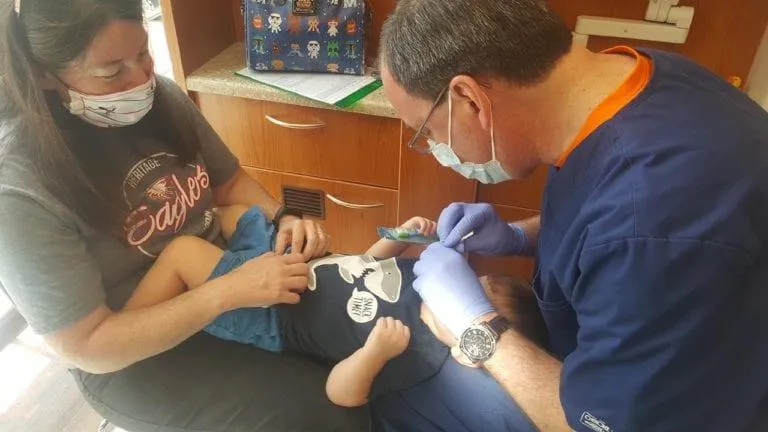
Blogs and Resources
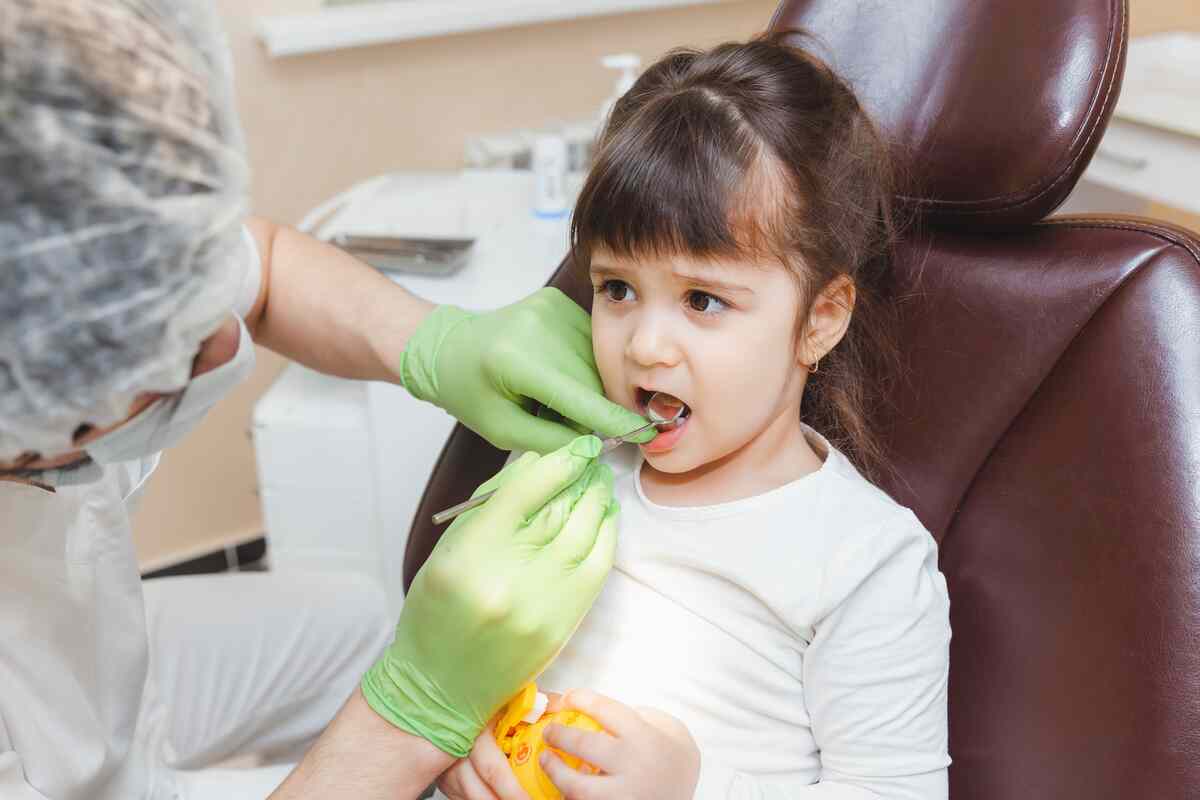
Preventing Pediatric Dental Injuries: A Parent’s Guide
Your child is running full speed across the living room. Suddenly—thud—a collision with the coffee table. There are tears, maybe blood, and your heart leaps into your throat. Was that a baby tooth on the floor?
This kind of moment is every parent’s nightmare. While we can’t bubble-wrap our kids, we can take proactive steps to prevent common dental injuries that lead to emergency visits. The truth is, many children’s dental emergencies—from chipped teeth to full knockouts—are preventable with a little preparation and the right habits.
In this guide, we’ll walk you through the most common causes of pediatric dental injuries, how to minimize risk at home and on the field, and the small changes that can make a huge difference in your child’s oral safety. Because when it comes to your child’s smile, we believe protection is just as important as treatment.
Let’s make dental emergencies less scary—and far less likely.

What Counts as a Pediatric Dental Injury?
Kids fall. They bump into things. They run faster than their coordination allows. And most of the time, they bounce back as if nothing happened. But when a tooth or mouth is involved, even a small accident can turn into something more serious.
A pediatric dental injury refers to any trauma affecting a child’s teeth, gums, lips, jaw, or surrounding oral structures. Some injuries are obvious right away. Others can look minor at first but cause problems days or even months later. Knowing the difference helps parents act quickly and avoid unnecessary complications.
Below are the most common kids dental emergencies related to injury, along with why each one matters.
Knocked-Out Tooth
A tooth that has been completely knocked out of the mouth is one of the most urgent children’s dental emergencies, especially if it is a permanent tooth.
Permanent teeth: These require immediate care. In some cases, a dentist may be able to place the tooth back into the socket if treatment happens quickly.
Baby teeth: These are usually not replanted, but an exam is still important to protect the developing adult tooth underneath.
Even if there is no pain, a knocked-out tooth should always be treated as a pediatric dental emergency.
Chipped or Broken Tooth
Chips and fractures are among the most common pediatric dental injuries, and they can range from mild to serious.
Small chips may only affect the enamel but can leave sharp edges that irritate the tongue or cheeks.
Larger breaks can expose the inner layers of the tooth, increasing the risk of pain, infection, and long-term damage.
A chipped tooth that doesn’t hurt right away can still worsen over time, which is why early evaluation is important.
Tooth Pushed Out of Position
Sometimes a tooth is not knocked out completely but is pushed sideways, upward, or deeper into the gum. These injuries are easy to miss because the tooth is still in the mouth.
Signs to watch for include:
A tooth that looks longer or shorter than before
Teeth that suddenly don’t line up when biting
Bleeding around the gum line
These injuries affect the tooth’s root and blood supply and should always be checked by a pediatric dentist.
Dental Infection or Swelling After Trauma
Any injury to the mouth can create an opening for bacteria. If swelling, redness, warmth, or a pimple-like bump appears near the tooth days after an accident, it may signal an infection.
Dental infections are serious pediatric dental emergencies because they can spread and affect overall health if left untreated.
Cuts to the Lips, Gums, or Tongue
Soft tissue injuries often look dramatic because the mouth has a rich blood supply. While many cuts heal on their own, some require professional care.
You should seek help if:
Bleeding does not stop after 10 to 15 minutes of gentle pressure
The cut is deep, gaping, or caused by a broken tooth
Swelling continues to increase
These injuries often occur alongside dental trauma, so a full oral evaluation is important.
When Is It Considered an Emergency?
If your child has:
Ongoing bleeding
Visible tooth damage
Severe pain or swelling
Trouble eating, speaking, or closing their mouth
…it’s best to treat the situation as a pediatric dental emergency and contact your pediatric dentist right away.
Parent Reassurance: You don’t have to diagnose the injury yourself. If something doesn’t look right or feel off, a quick call can provide clarity and peace of mind.

Safety at Play and Sports
For kids, play is serious business—and sometimes, it gets a little too serious for their teeth.
Whether it’s diving for a soccer ball, tumbling off a scooter, or just tripping over a rogue Lego, active kids are naturally at higher risk for pediatric dental injuries. In fact, sports and play-related accidents are among the leading causes of kids dental emergencies, especially in children between the ages of 6 and 14.
But the good news? Many of these injuries are completely preventable.
Sports and Dental Safety
Let’s face it—kids are full of energy, and sports are a great way to burn it off. But with all that running, jumping, sliding, and tackling, sports can also be a major source of pediatric dental injuries. In fact, dental trauma is one of the most common injuries seen in youth athletics, with thousands of kids dental emergencies reported every year.
Whether your child is a weekend warrior or a year-round athlete, any sport that involves speed, equipment, or physical contact can pose a risk to their smile.
High-Risk Sports for Dental Injuries
Some sports are more likely than others to result in dental trauma. According to the American Academy of Pediatric Dentistry (AAPD), the highest-risk activities include:
Football – helmets protect the head, but not always the teeth
Basketball – fast movement, elbow contact, and little required protection
Soccer – frequent collisions and accidental headbutts
Wrestling & Martial Arts – direct hits to the face or jaw
Baseball/Softball – high-speed balls + minimal face protection = dental danger
Hockey (Ice & Field) – fast pucks and sticks can lead to chipped or knocked-out teeth
Skateboarding & BMX – falls, flips, and hard landings make dental injuries common
Even cheerleading and gymnastics, though non-contact, have surprisingly high rates of oral injuries due to falls and tumbles.
Important Note: Many youth leagues don’t require mouth protection unless it’s part of official gear. That means it’s often up to parents to ensure their child’s teeth are protected.
How These Injuries Happen
In sports, pediatric dental emergencies often result from:
Collisions with other players
Falls onto hard surfaces
Contact with equipment (balls, sticks, elbows)
Clenching or grinding teeth during intense physical activity
Impact on the jaw that causes a tooth to fracture, loosen, or get knocked out
These injuries aren’t just painful—they can be expensive and may require long-term dental care. Some can even affect the alignment of permanent teeth or the health of the jawbone.
The Case for Mouthguards
One of the simplest and most effective ways to prevent pediatric dental emergencies is with a custom-fitted mouthguard.
Unlike store-bought “boil-and-bite” versions, custom mouthguards from your pediatric dentist:
Fit better and stay in place
Are more comfortable, so kids actually wear them
Protect both upper and lower teeth
Can accommodate braces or other appliances
Think of a mouthguard like a seatbelt for your child’s smile—it doesn’t stop the fall, but it can protect what matters most.

Safe Play at Home
While sports get most of the attention, many pediatric dental injuries don’t happen on the field—they happen right at home.
From adventurous toddlers scaling furniture to siblings turning living rooms into obstacle courses, the home can be full of hidden hazards. In fact, a large portion of children’s dental emergencies are caused by everyday objects and familiar spaces, not high-impact activities.
But with a few thoughtful adjustments, you can make your home safer without sacrificing fun.
Common Causes of Dental Injuries at Home
Even well-supervised children can get hurt in the blink of an eye. Here are some common culprits when it comes to kids dental emergencies indoors:
Slippery floors – spills, wet tiles, or socks on hardwood can turn a hallway into a skating rink
Coffee tables and furniture edges – low surfaces are the perfect height for mouth-level impacts
Unstable chairs or step stools – climbing accidents often lead to face-first falls
Walking or running with objects in the mouth – pencils, toothbrushes, toys, straws, even snacks
Throwing hard toys – building blocks and action figures can cause unexpected injuries during rough play
Real Talk: It’s impossible to prevent every fall or face bump. But understanding how and where these injuries happen gives you a head start on keeping your child safe.
Easy Ways to Make Home a “Smile-Safe” Zone
You don’t need to turn your living room into a padded playroom. Just a few tweaks to your environment can reduce the risk of pediatric dental emergencies at home:
Floor & Surface Safety
Use area rugs with non-slip pads under high-traffic zones
Wipe up spills right away (even if they insist, “I didn’t spill it!”)
Avoid socks on slippery floors when kids are active indoors
Furniture Awareness
Add soft corner guards to tables, especially in play areas or where toddlers are learning to walk
Anchor bookshelves and heavy furniture to prevent tipping during climbing adventures
Clear walkways of clutter and sharp objects
Bath & Bedtime Habits
Supervise toothbrushing to prevent slips with hard toothbrushes in the mouth
Don’t allow running, jumping, or roughhousing during bedtime routines when kids are often barefoot and energized
No Mouth = No Transport
Teach your child the “hands, not mouth” rule:
Never walk or run with pencils, toys, straws, food skewers, or anything else in your mouth
If it’s not food—and even then, only when sitting—it doesn’t belong between their teeth while they’re on the move
What to Do If a Dental Injury Happens at Home
Even with the best prevention, accidents still happen. If your child:
Cracks or chips in a tooth
Complaints of tooth pain after a fall
Bump their mouth, and you see swelling or bleeding
...it’s best to call your pediatric dental office for guidance.
Pro Tip: Snap a quick photo of the injury and call us. We can often tell from a picture whether it’s something that needs immediate care or a watch-and-wait situation.

Oral Hygiene Habits That Strengthen Teeth
Not all kids dental emergencies are caused by bumps and falls. Sometimes, the real danger is what’s happening quietly—inside the mouth.
Weak enamel, untreated cavities, and gum inflammation can all make a child’s mouth more vulnerable during everyday activities. Even a minor fall can turn into a full-blown pediatric dental injury if the teeth are already compromised.
The good news? Strong teeth are far more resilient. And that starts with simple, consistent oral hygiene habits at home.
Why Healthy Teeth Handle Accidents Better
Think of enamel like armor—it’s the hard, outer surface that protects each tooth. When enamel is strong, teeth are better equipped to handle impact. When it’s worn down or decayed, even a small bump can lead to cracks, chips, or infection.
Dental injuries are also more likely (and more severe) when:
Cavities go untreated and weaken the tooth’s structure
Baby teeth fall out early due to poor hygiene, leaving gaps
Inflamed gums cause loosened teeth or soft tissue damage
Keeping your child’s mouth healthy isn’t just about avoiding fillings—it’s about giving them the best defense against unexpected accidents.
Daily Habits That Build Strong Smiles
Brushing Twice a Day (No Exceptions)
Use a soft-bristled, age-appropriate toothbrush
Fluoride toothpaste (a pea-sized amount for kids 3+)
Help your child brush until at least age 6–7
Don’t rush: Two full minutes is key to building good habits
Flossing Once a Day
Start as soon as two teeth touch
Use floss picks if regular floss is tricky
Encourage it as part of the bedtime routine
Nutrition that Supports Strong Teeth
Encourage calcium-rich foods: milk, yogurt, cheese, leafy greens
Avoid frequent sugary snacks or sticky treats (they feed cavity-causing bacteria)
Offer water, not juice, as the go-to drink—especially after meals
Routine Dental Visits
Schedule cleanings every 6 months (or as recommended)
Early detection of weak enamel or small cavities can prevent emergency situations later
Build trust and positive associations with the dentist, so your child feels safe if an emergency ever does happen
Empowering Tip: You don’t have to be perfect. Consistency over time builds strength. Celebrate the wins, even the small ones—like brushing without a fight or choosing water over soda!
Bonus Habit: Make Oral Care Fun
We get it—oral hygiene can feel like a nightly battle. But kids are more likely to engage in habits when they feel involved and in control.
Try:
Letting them pick their toothbrush color or toothpaste flavor
Playing a two-minute song while brushing
Creating a sticker chart or reward system for consistency
Brushing together as a family
“When taking care of their teeth feels like a game, kids are more likely to do it. And that simple daily effort can help prevent many avoidable children’s dental emergencies down the line.”

Teaching Kids Their Role in Prevention
As much as we wish we could bubble-wrap our little ones, we can’t protect them from every bump, fall, or flying elbow. But what we can do is teach them how to protect themselves—starting with their smiles.
Involving your child in their own dental care and injury prevention doesn’t just help reduce pediatric dental emergencies—it gives them the confidence and tools they need to feel responsible and brave.
Because the truth is: kids are more likely to stick with habits and safety rules when they understand why they matter.
Start With What They Understand
You don’t have to explain dental anatomy to a toddler—but you can talk about teeth like superheroes.
Try these simple, age-appropriate messages:
“Your teeth help you chew, smile, and talk! Let’s keep them strong so they can help you every day.”
“Wearing your mouthguard keeps your teeth safe—like a helmet for your smile!”
“When we brush and floss, we’re giving your teeth a bath so they stay healthy and happy.”
The more fun and relatable you make it, the more your child will engage.
Make Safety Part of the Routine
Most kids dental emergencies aren’t about big risks—they’re about little habits that build up over time.
Here are some ways to help your child become their own “tooth defender”:
Practice Daily Habits Together
Let them brush their own teeth first, then follow up with a “grown-up check.”
Use apps or songs to make brushing feel like a game
Floss together in the mirror—it’s more fun when they’re not alone
Involve Them in Safety Prep
Let them help pack their sports bag, including their mouthguard
Teach them how to rinse their mouth gently if they ever bump their teeth
Walk them through your home safety rules: “No running with toys in your mouth,” “Sit down when you eat,” etc.
Use Positive Reinforcement
Sticker charts, smiley face magnets, or a simple high five go a long way
Celebrate milestones: “You wore your mouthguard all week—awesome job!”
Encouraging Tip: Instead of saying “Don’t forget your mouthguard,” try “Let’s make sure your smile shield is ready!” Framing it positively builds motivation.
Create a Team Mentality
Kids love to feel like they’re part of something. Let them know that taking care of their teeth isn’t just their job—it’s a team effort.
“You brush, I check. We make a great team!”
“Your job is to wear your mouthguard. My job is to cheer you on!”
“We’re working together to keep those teeth strong.”
This approach turns prevention from a chore into a shared goal.

Conclusion
You can’t predict every fall or flying elbow—but you can be prepared. Preventing pediatric dental injuries starts with everyday habits: brushing, flossing, wearing mouthguards, and creating safe environments for your child to play and grow. And while these steps go a long way in reducing the risk of kids dental emergencies, having a trusted dental team by your side makes all the difference when life gets messy.
At Hurst Pediatric Dentistry, we’re here to support you—whether your child needs a routine checkup, a custom mouthguard, or urgent care after an accident. You don’t have to face dental emergencies alone, and you don’t have to guess your way through them.
Whether you have a quick question or want to schedule an appointment, we’d love to hear from you. Visit Hurst Pediatric Dentistry at 19 Inverness Center Parkway, Suite 250, Birmingham, AL 35242, or call us at (205) 969-7454. We’re committed to protecting your child’s smile today, tomorrow, and well into the future.

19 INVERNESS CENTER PARKWAY, STE 250, BIRMINGHAM, AL 35242
TEL: 205.969.7454
E-MAIL: [email protected]
2018 © ALL RIGHTS RESERVED | PRIVACY POLICY | TERMS AND CONDITIONS
Site by Trustway Marketing Powered by Kyrios Systems