
WELCOME TO
HURST PEDIATRIC DENTISTRY!
Here at the pediatric dental office of Dr. Joby Hurst, we take pride in offering our young patients the highest quality of dental care in a kid-friendly environment. We are conveniently located in Birmingham, Alabama and are experienced in providing routine dental care for infants, children, teens and patients with special needs.
Dr. Hurst and his team of friendly professionals work together to provide a positive dental experience that will make your child smile! We promise to work with you and your child personally and create a customized treatment plan to meet your individual needs and desires.
Office tour
Early Dental Care
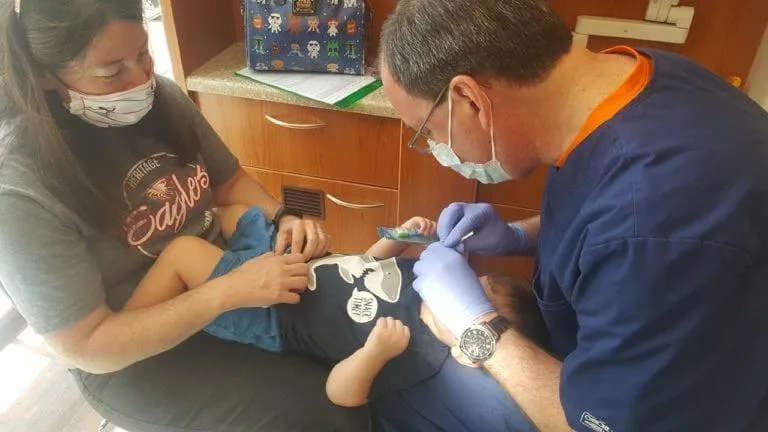
We believe early dental care can promote a lifetime of healthy smiles for your child. We offer a full range of services from routine dental exams and cleanings to fillings, sealants and fluoride treatments that will help ensure that your child grows up with a healthy smile.
Sedation Dentistry
We recognize that for some of our patients, a visit to the dentist makes them a bit nervous.
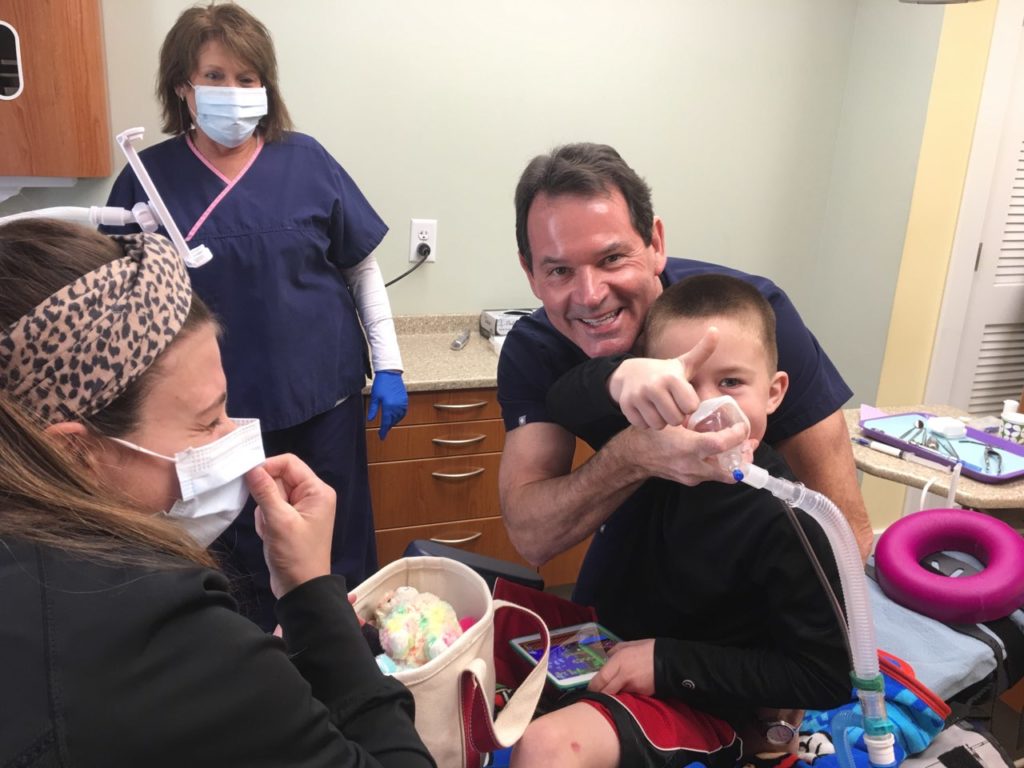
We offer nitrous oxide sedation for our more apprehensive patients, so they can relax while receiving the dental care that they need.
For those requiring more intensive treatment, Dr. Hurst offers in office anesthesia using Dr. Jeff Plagenhoef.
Dr. Jeff is a board-certified pediatric anesthesiologist with Pediatric Dental Anesthesia Associates.
We appreciate your interest in our practice and encourage you to continue exploring our website to learn more about us. Feel free to contact us to schedule an appointment with Dr. Joby Hurst today!
Blogs and Resources

When a Loose Baby Tooth Isn't Following the Usual Timeline
It's 7:30 PM on a school night, and your child is chewing dinner carefully on just one side of their mouth. That front baby tooth started wiggling nearly three months ago, yet it still refuses to budge. Or maybe you spotted something even more surprising during bedtime brushing: a second row of tiny teeth peeking through right behind their baby teeth.
When a child's loose baby tooth timeline doesn't match the charts you see online, it's easy to start second-guessing every bite of crunchy food. One parent at school pickup tells you their kindergartener lost four teeth already, while your second grader hasn't lost a single one.
Every child's growing smile moves at its own pace, and most schedule surprises have simple, harmless explanations. Understanding each stage of baby tooth development makes it much easier to spot what's normal and know when a gentle checkup can give you peace of mind.
What Is the Typical Loose Baby Tooth Timeline for Kids?
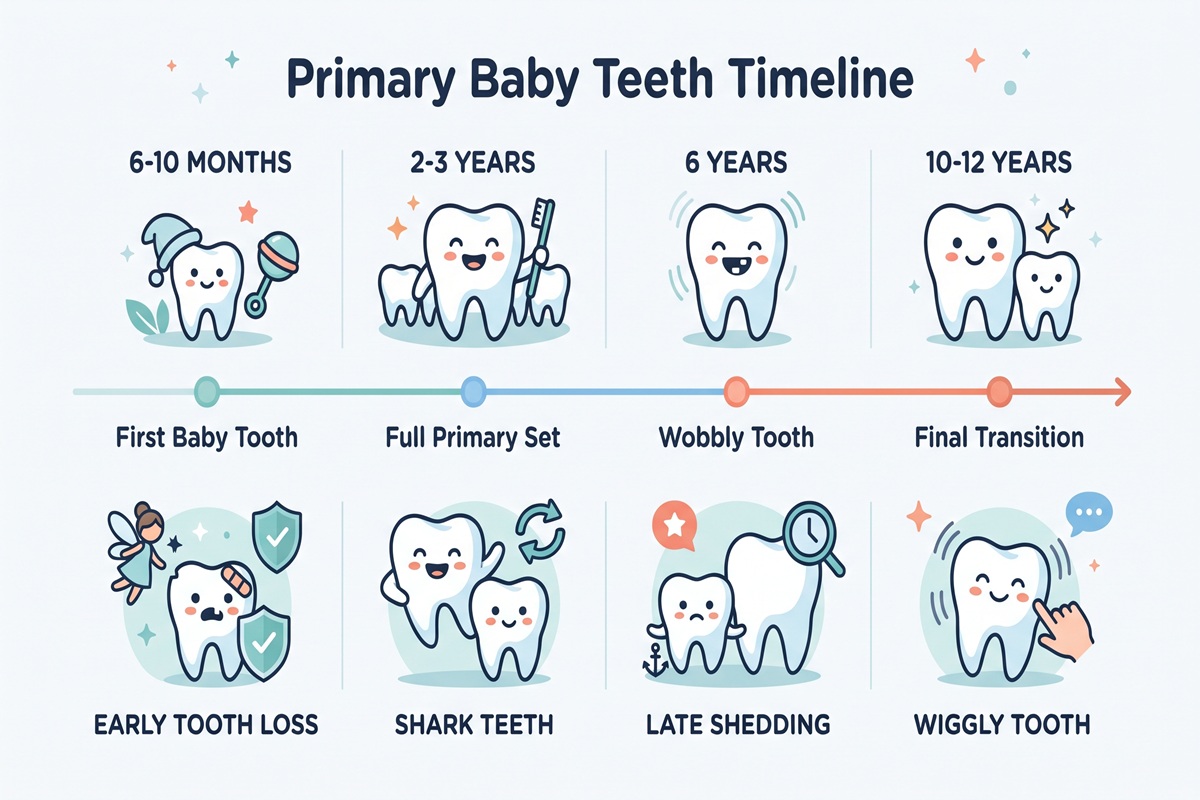
Most children start losing baby teeth around age 6 and finish shedding all 20 primary teeth by age 12. The process usually begins with the lower front teeth, followed by the upper front teeth, and ends with the back molars. Because every child develops differently, a six- to twelve-month shift earlier or later is completely normal.
Beneath your child's gums, adult teeth slowly move upward. As each permanent tooth rises, it naturally dissolves the root of the baby tooth sitting above it. Once that root disappears, only a tiny thread of gum tissue holds the crown in place, creating that classic wiggle.
Baby teeth act as natural placeholders that guide permanent teeth into their proper spots, which is why they usually fall out in the same order they first arrived. According to American Dental Association (ADA) tooth eruption charts, most growing smiles follow this general sequence:
Ages 6 to 7: Lower central incisors (the two bottom front teeth) loosen first, followed closely by the upper central incisors.
Ages 7 to 8: Lateral incisors (the teeth right next to the four front teeth) begin to wiggle.
Ages 9 to 11: First molars and lower canines start making room for wider adult teeth.
Ages 10 to 12: Upper canines and second molars are typically the final baby teeth to fall out.
Girls sometimes hit these milestones a few months earlier than boys, and family genetics play a big role, too. If you or your partner lost baby teeth on the later side as a kid, your child's smile may simply be following that same family rhythm.
Most kids lose their baby teeth between ages 6 and 12, starting with the lower front teeth and ending with the back molars, and a six- to twelve-month shift in timing is usually part of healthy development.
Why Is My Child's Baby Tooth Off Schedule?
4 Common Variations
A baby tooth usually goes off schedule for one of four reasons: a playground bump or early cavity loosened it ahead of time, a permanent tooth erupted slightly behind it, family genetics delayed root resorption, or a thin strand of gum tissue is still holding the tooth in place. Most timeline variations are easy for a pediatric dentist to evaluate.
1. What If a Baby Tooth Gets Loose Too Early (Before Age 5)?
When a baby tooth loosens before age 5, it's typically caused by a minor bump during active play or tooth decay rather than a rising adult tooth. Because baby teeth hold open the exact space permanent teeth need later, losing one too early can allow neighboring teeth to drift into that gap.
If a fall or sports bump knocks a tiny tooth loose, a gentle check helps confirm the root and developing adult tooth underneath stay healthy. When a baby tooth comes out years ahead of schedule, a small, custom space maintainer can protect that spot until the adult tooth is ready.
2. Why Is a Permanent Tooth Growing Behind a Baby Tooth?
An adult tooth growing behind a baby tooth often called "shark teeth" happens when the permanent tooth takes a slightly different path upward and doesn't dissolve the baby tooth's root. This most commonly appears behind the lower front teeth around age 6, creating a temporary double row of teeth.
Seeing two rows of teeth in the mirror can surprise any parent, yet it's one of the most common milestone detours we see. In many cases, the baby tooth loosens on its own over the next few weeks, and your child's tongue naturally nudges the new adult tooth forward.
3. What If My Child Has No Loose Teeth Yet Past Age 8?
Having no loose baby teeth at age 8 or 9 is often just a normal variation driven by family genetics or slower jaw growth. However, a pediatric dentist may take a quick, low-dose digital X-ray to verify that all permanent teeth are present beneath the gums and lined up properly.
Sometimes an adult tooth sits slightly angled or crowded, so it hasn't pressed directly against the baby tooth yet. Checking early gives you clear answers and prevents surprises later.
4. Why Does a Wiggly Baby Tooth Hang On for Months?
A wiggly baby tooth can linger for several months when the root only partially dissolves, leaving one small edge anchored to the gums. Kids also tend to chew on the opposite side of their mouth to avoid awkward movement, which slows down the natural pressure that finishes loosening the tooth.
That dangling feeling can bother kids during meals or brushing, especially if they're sensitive to new textures in their mouth. Most of the time, it simply needs a little more gentle wiggling and patience.
Early bumps, double-row shark teeth, late bloomers, and months-long wigglers are all common milestone detours and each one gives a clear clue about what your child's growing smile needs next.
How Should You Handle a Stubborn or Off-Timeline Loose Tooth at Home?
Let a loose baby tooth fall out on its own whenever possible by encouraging gentle wiggling with a clean finger or tongue. Serve crisp, kid-approved snacks like sliced apples or carrots to help loosen the remaining gum tissue naturally. Never tie a string to the tooth or yank it before the root finishes dissolving, as forcing it can irritate sensitive gums.
Helpful At-Home Habits vs. Habits to Skip
Helpful At-Home Habits:
Gentle wiggling: Let your child wiggle the tooth lightly with clean fingers or their tongue during the day.
Crisp, healthy snacks: Offer thinly sliced apples, pear wedges, or cucumber rounds to apply safe, even pressure.
Normal brushing routine: Keep brushing gently around the wiggly tooth with a soft-bristled brush so plaque doesn't build up along the gumline.
Cool, soothing comfort: Offer a cold glass of water or a chilled smoothie if tender gums feel bothered while chewing.
Habits to Skip:
Classic doorknob or string tricks: Pulling a tooth suddenly can tear gum tissue that's still attached and create unnecessary stress for your child.
Twisting with tissues or tweezers: Pinching and twisting a stubborn crown often causes bleeding and makes kids nervous about future milestones.
Sticky, chewy candies: Taffy or caramels can tug unevenly on a dangling tooth or trap sugar around tender gums.
Skipping brushing near the loose tooth: Avoiding the area lets plaque settle in, which makes gums puffy and more tender.
If your child's wiggly tooth is taking its time, follow these four simple steps to keep their smile comfortable at home:
Keep daily brushing gentle and consistent. Use a soft toothbrush and small circular motions around the wiggly tooth so the gums stay pink, clean, and comfortable.
Give your child control over wiggling. Kids know right away how much movement feels okay, so letting them nudge the tooth with their tongue keeps the process stress-free.
Support sensory-sensitive kids with soft food swaps. If your child has sensory sensitivities and feels unsettled by a dangling tooth shifting when they bite down, offer yogurt, scrambled eggs, or smoothies until the tooth is ready to come out.
Know when a quick helper visit makes sense. If a stubborn baby tooth refuses to budge even after an adult tooth appears behind it, learning what happens during a gentle baby tooth extraction can help you see how simple and comfortable a quick removal is for kids.
Patience, gentle brushing, and kid-led wiggling are the safest ways to manage a loose tooth at home while avoiding string tricks or forceful pulling that can protect tender gums.
When Should You Bring Your Child to a Pediatric Dentist?
Schedule a pediatric dental checkup if a baby tooth loosens before age 5, an adult tooth sits behind a firm baby tooth for more than a few weeks, or no teeth have loosened by age 8. Swelling, redness, or discomfort while chewing are also clear signs that a gentle exam can help.
You don't have to guess whether a wiggly tooth needs extra attention. Good parents ask for guidance whenever something looks unfamiliar, and a quick look from a pediatric specialist can turn worry into clarity in minutes.
Consider booking a milestone checkup if you notice any of these signs:
Early loosening before age 5: A playground bump, sports fall, or tiny cavity loosened a tooth well ahead of the usual schedule.
Stubborn "shark teeth": A permanent tooth has been visible behind a baby tooth for three to four weeks, and the baby tooth still feels solid.
No wiggly teeth by age 8 or 9: None of your child's front primary teeth have started to loosen yet.
Tender, puffy, or red gums: Food gets trapped easily around a dangling tooth, or your child avoids chewing meals because of soreness.
Asymmetrical shedding: One side of your child's smile lost a tooth months ago, while the matching tooth on the other side hasn't budged.
During a milestone visit at Hurst Pediatric Dentistry, Dr. Joby Hurst and our team meet your child right where they are. We move at a pace that respects your child's comfort and sensory preferences, explaining every step in kid-friendly words so nothing feels rushed or unfamiliar.
Following the American Academy of Pediatric Dentistry (AAPD) parent tooth eruption resources, we may take a quick, low-dose digital X-ray if needed to check how adult teeth are lined up beneath the gums. Most of the time, parents leave relieved knowing their child's smile is right on track or with a simple plan, like a custom space maintainer, to keep future adult teeth on course.
Helping Your Child's Growing Smile Stay Right on Track
Every child's smile follows its own rhythm, and you don't have to figure out milestone surprises alone. Whether your little one has a stubborn wiggly tooth, double-row shark teeth, or an early bump from the playground, a quick look gives you clear answers without pressure or guesswork.
At Hurst Pediatric Dentistry, Dr. Joby Hurst and our caring team welcome families across Hurst, Fort Worth, Arlington, Euless, Bedford, and North Richland Hills with warm, kid-approved visits designed around your child's comfort. Ready for peace of mind about your child's next tooth milestone?
Schedule a Gentle Milestone Visit
Frequently Asked Questions
Is it bad if my child loses their first baby tooth at age 4 or 5?
Losing a first baby tooth at age 4 or 5 can be normal for early developers, though it's worth a quick checkup. If a playground bump or early cavity loosened the tooth ahead of schedule, a pediatric dentist can make sure neighboring teeth don't drift into that space before the adult tooth arrives.
How long should we wait if an adult tooth is growing behind a baby tooth?
If an adult tooth is growing behind a baby tooth, give the baby tooth about three to four weeks to loosen on its own. Encourage gentle wiggling with clean fingers or a tongue. If the baby tooth still feels solid after a month, schedule a quick visit so a pediatric dentist can help.
What happens if a baby tooth falls out too early?
When a baby tooth falls out months or years too early, the teeth next to that empty gap can slowly tilt or slide inward. This crowding can block the permanent tooth underneath from coming in straight. A simple, custom space maintainer holds that spot open until the adult tooth is ready.
My child has sensory sensitivities and hates the feeling of a loose tooth; how can a pediatric dentist help?
A pediatric dentist experienced with sensory sensitivities moves at your child's pace without rushing or pressure. They use calm, kid-friendly explanations, take breaks whenever needed, and can gently check or remove a bothersome dangling tooth so your child feels safe, comfortable, and proud of their growing smile.

19 INVERNESS CENTER PARKWAY, STE 250, BIRMINGHAM, AL 35242
TEL: 205.969.7454
E-MAIL: [email protected]
2018 © ALL RIGHTS RESERVED | PRIVACY POLICY | TERMS AND CONDITIONS
Site by Trustway Marketing Powered by Kyrios Systems