
WELCOME TO
HURST PEDIATRIC DENTISTRY!
Here at the pediatric dental office of Dr. Joby Hurst, we take pride in offering our young patients the highest quality of dental care in a kid-friendly environment. We are conveniently located in Birmingham, Alabama and are experienced in providing routine dental care for infants, children, teens and patients with special needs.
Dr. Hurst and his team of friendly professionals work together to provide a positive dental experience that will make your child smile! We promise to work with you and your child personally and create a customized treatment plan to meet your individual needs and desires.
Office tour
Early Dental Care
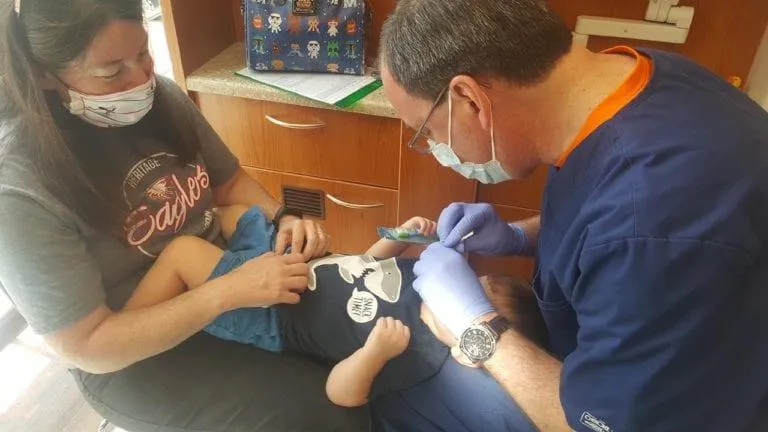
We believe early dental care can promote a lifetime of healthy smiles for your child. We offer a full range of services from routine dental exams and cleanings to fillings, sealants and fluoride treatments that will help ensure that your child grows up with a healthy smile.
Sedation Dentistry
We recognize that for some of our patients, a visit to the dentist makes them a bit nervous.
We offer nitrous oxide sedation for our more apprehensive patients, so they can relax while receiving the dental care that they need.
For those requiring more intensive treatment, Dr. Hurst offers in office anesthesia using Dr. Jeff Plagenhoef.
Dr. Jeff is a board-certified pediatric anesthesiologist with Pediatric Dental Anesthesia Associates.
We appreciate your interest in our practice and encourage you to continue exploring our website to learn more about us. Feel free to contact us to schedule an appointment with Dr. Joby Hurst today!
Blogs and Resources
Your Child’s Dental Prevention Plan: What Should Be Personalized?
You brush your child’s teeth, keep an eye on snacks, and try to stay consistent with dental visits. Still, one question can quietly follow you through the routine:
“Are we doing enough?”
The answer is not always found in a universal checklist. Children grow at different rates, develop different habits, and face different oral health risks. A routine that works well for one child may need small adjustments for another.
A pediatric dental prevention plan brings those details together. It may consider your child’s age, dental development, brushing habits, food and drink routines, previous cavities, health history, and comfort with dental care. The goal is not to make home care feel more complicated. It is to help your family focus on the steps that matter most for your child.
This article explains what a personalized prevention plan may include, how pediatric dentists evaluate a child’s needs, and which questions you can bring to the next visit. You will also learn how brushing, fluoride, dental sealants, nutrition, and professional care can work together to protect a growing smile.
You do not need to memorize every dental rule. You need clear guidance, a realistic routine, and a plan that can change as your child grows.
What Is a Pediatric Dental Prevention Plan?
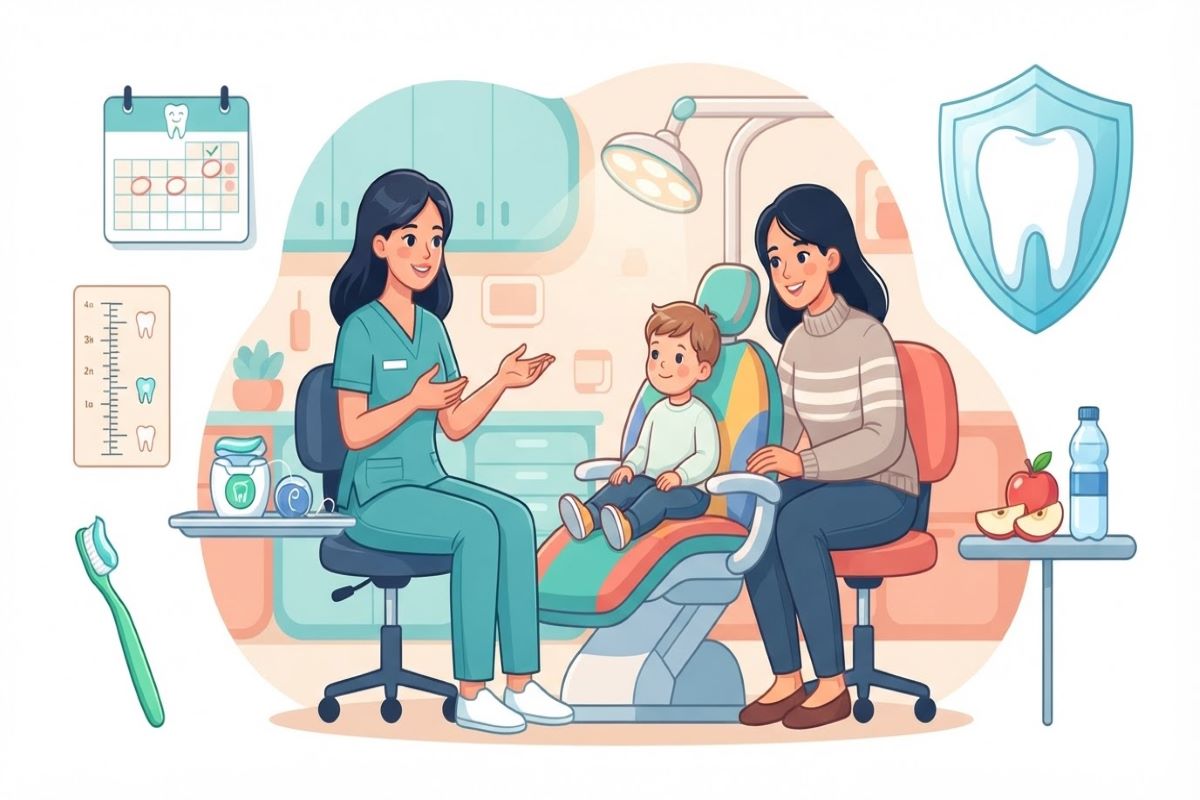
A pediatric dental prevention plan is a practical strategy for protecting your child’s teeth, supporting healthy development, and reducing the risk of cavities over time. It combines everyday home care with professional guidance based on your child’s age, dental history, habits, health, and current needs.
The foundation may look familiar. It can include brushing with fluoride toothpaste, flossing when appropriate, paying attention to food and drink patterns, attending preventive visits, and discussing options such as fluoride treatments or dental sealants.
What makes the plan personal is how those pieces are adjusted.
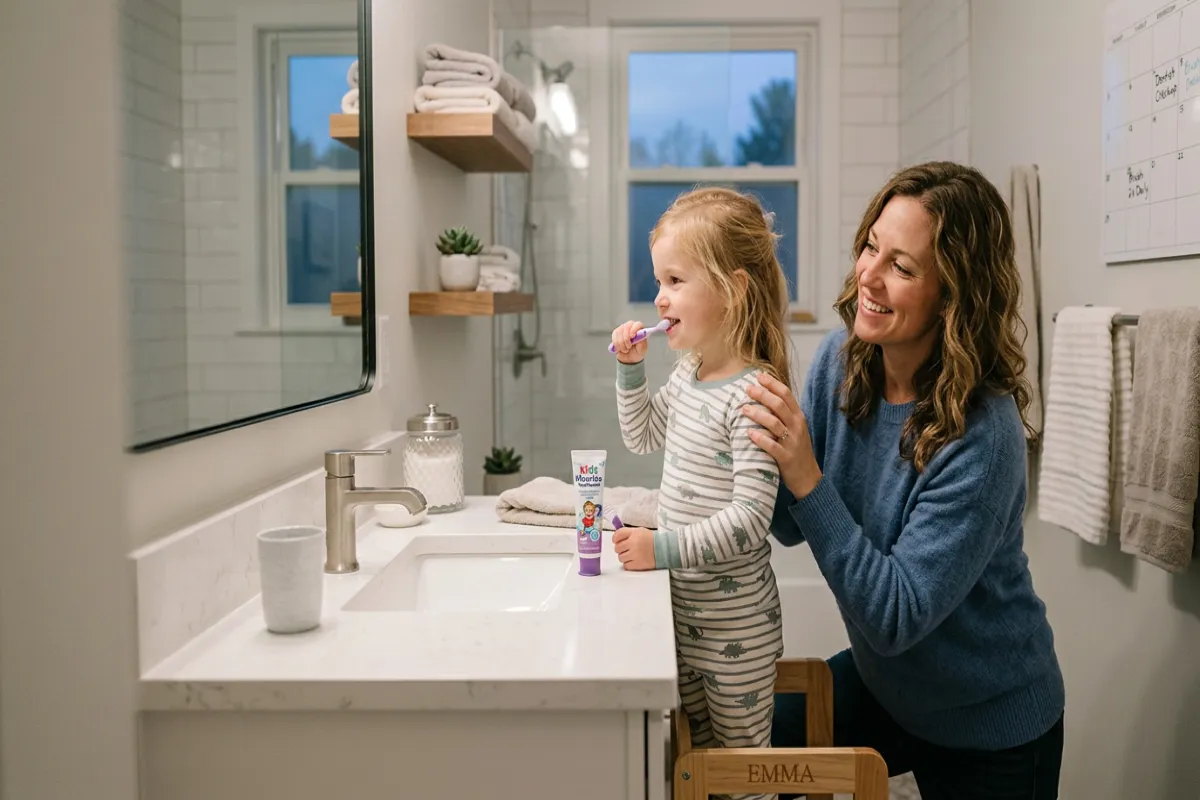
For example, a toddler who is learning to tolerate brushing may need different support than a school-aged child with permanent molars. A child who has experienced cavities may also need a different follow-up schedule or preventive approach than a child with fewer risk factors.
Pediatric dentists use cavity-risk assessment to consider clinical findings alongside behavioral, medical, social, and protective factors. This helps them create recommendations that fit the child instead of applying the same schedule or strategy to every family.
A prevention plan may cover:
Brushing and flossing guidance
Food, snack, and drink habits
Fluoride exposure and professional fluoride care
Dental sealants when appropriate
Monitoring dental growth and development
Oral habits that may affect the teeth or bite
The timing of future visits
Adjustments for medical, sensory, behavioral, or developmental needs
The plan is not fixed forever. Your child’s needs may change as new teeth appear, routines shift, health conditions develop, or their ability to care for their teeth improves.
Think of it as a working plan that grows with your child. Its purpose is to give your family clear priorities, realistic next steps, and a better understanding of how to protect your child’s smile between visits.
Why Prevention Plans Are Not Identical for Every Child
Every child benefits from strong preventive habits, but the right plan depends on more than age alone. Two children in the same family can have different cavity risks, brushing challenges, eating patterns, and comfort levels during dental visits.
That difference matters because prevention works best when it matches the child’s real life.
A pediatric dentist may consider factors such as:
Previous cavities or areas of concern
How well the child can brush and floss
How often they snack or sip drinks
Fluoride exposure
Enamel strength and tooth shape
Medical conditions or medications
Dry mouth
Sensory or developmental needs
Oral habits, such as thumb sucking
How comfortable the child feels during care
Some children may need more frequent monitoring. Others may benefit from added home-care support, fluoride treatment, sealants, or changes to daily routines.
The American Academy of Pediatric Dentistry recommends using age-specific cavity-risk assessments to help guide preventive care for infants, children, and adolescents. You can review the AAPD’s caries-risk assessment and management guidance.
Personalization does not mean creating a complicated plan. It means identifying the few changes that can make the biggest difference for that child.
A useful prevention plan should answer practical questions:
What should we focus on at home?
Which risks matter most right now?
What can wait?
What should we monitor as my child grows?
This approach also helps parents avoid comparison.
Another family may receive different recommendations because their child has a different history, routine, or level of risk. Different advice does not automatically mean one plan is better. It may simply mean each child needs a different path.
The goal is not perfect care. The goal is informed, consistent care that fits your child and can adjust over time.
The Building Blocks of a Personalized Prevention Plan
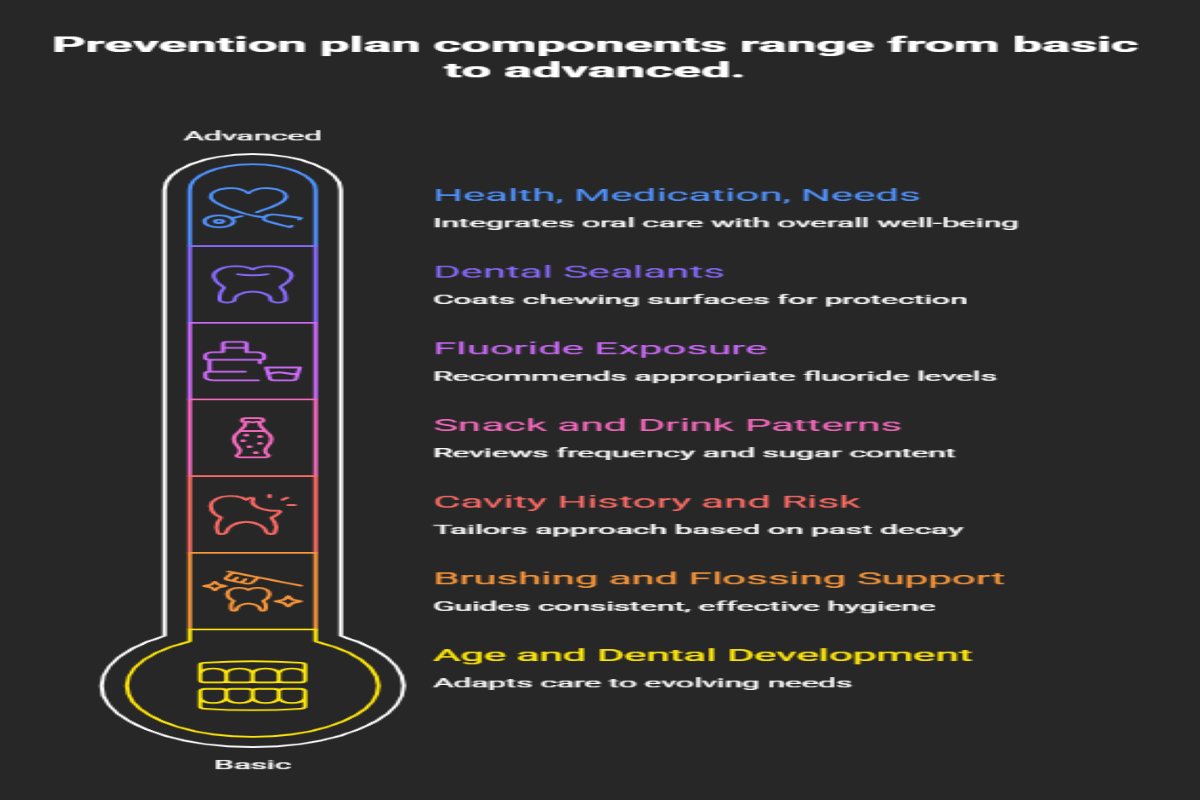
A strong prevention plan usually combines several areas of care. The exact recommendations may differ, but the goal stays the same: reduce avoidable problems, support healthy development, and make daily care more manageable for the family.
Age and Dental Development
A child’s dental needs change as their mouth develops.
A toddler with a few baby teeth may need help building a simple brushing routine. A school-aged child may need support as permanent molars appear. An older child may begin brushing more independently but still need supervision in areas they tend to miss.
A pediatric dentist may also monitor:
When teeth appear or fall out
How the bite is developing
Whether permanent teeth are coming in as expected
Oral habits that may affect alignment
Areas that are harder to clean
These changes help shape the advice parents receive at each stage.
Brushing and Flossing Support
Brushing is essential, but consistency and technique matter.
A personalized plan may include guidance on toothbrush size, toothpaste amount, brushing position, parent supervision, and when to begin flossing. The dentist may also demonstrate ways to reach back teeth or areas where plaque tends to collect.
For some children, the challenge is not understanding the routine. It is tolerating it.
Taste, texture, foaming, noise, and touch can make brushing difficult for children with sensory sensitivities. In those cases, the plan may include gradual changes, different products, shorter practice sessions, or a routine that builds comfort over time.
The goal is not to force a perfect routine overnight. It is to create a realistic one the family can repeat.
Cavity History and Current Risk
A child who has experienced cavities may need a different preventive approach than a child with no previous decay.
The dentist may look at:
Past cavities
Early enamel changes
Plaque buildup
Areas that trap food
The shape and spacing of the teeth
How easily the child can clean certain areas
This does not mean a child is destined to keep getting cavities. It means the prevention plan may need more attention in specific areas.
Everyday routines can also influence risk. Learn more about the habits that may increase your child’s cavity risk.
Early concerns are not always painful or visible at home. Preventive visits can help identify changes before they become more difficult to manage.
Snack and Drink Patterns
What a child eats matters, but how often they eat can matter too.
Frequent snacking or sipping gives the mouth less time to recover between exposures. This is especially important when drinks contain sugar or acid, or when snacks cling to the teeth.
A prevention plan may review:
How often the child snacks
What they drink between meals
Bedtime bottles or cups
Sports drinks and flavored beverages
Grazing throughout the day
Water intake
The purpose is not to label foods as “good” or “bad.” It is to help parents notice patterns and make practical adjustments.
Fluoride Exposure
Fluoride helps strengthen enamel and reduce cavity risk.
A pediatric dentist may consider the child’s age, toothpaste use, drinking water, cavity history, and overall risk before recommending professional fluoride care. Some children may benefit from fluoride varnish during preventive visits, while others may need different guidance based on their current exposure.
Parents should avoid assuming that more fluoride is always better. The right amount depends on the child and should be discussed with the dental team.
Dental Sealants
Dental sealants are thin protective coatings placed on the chewing surfaces of certain back teeth. They help protect deep grooves where food and bacteria can collect.
A dentist may consider sealants when:
Permanent molars have erupted
Grooves are deep or difficult to clean
The child has a higher cavity risk
Certain teeth need added protection
Sealants are not automatically required for every child or every tooth. The decision depends on the condition of the tooth and the child’s individual risk.
Health, Medication, and Developmental Needs
A prevention plan should also reflect the child’s broader health.
Medical conditions, medications, dry mouth, motor challenges, communication needs, and sensory sensitivities can all affect daily oral care. These details may influence product choices, appointment planning, home routines, and how quickly care progresses.
Parents bring essential knowledge to this process. They know which routines work, what triggers discomfort, and how their child communicates.
The dental team brings clinical experience.
When both sides share information openly, the prevention plan becomes more useful, more realistic, and easier to follow.
What Happens During a Preventive Dental Visit?
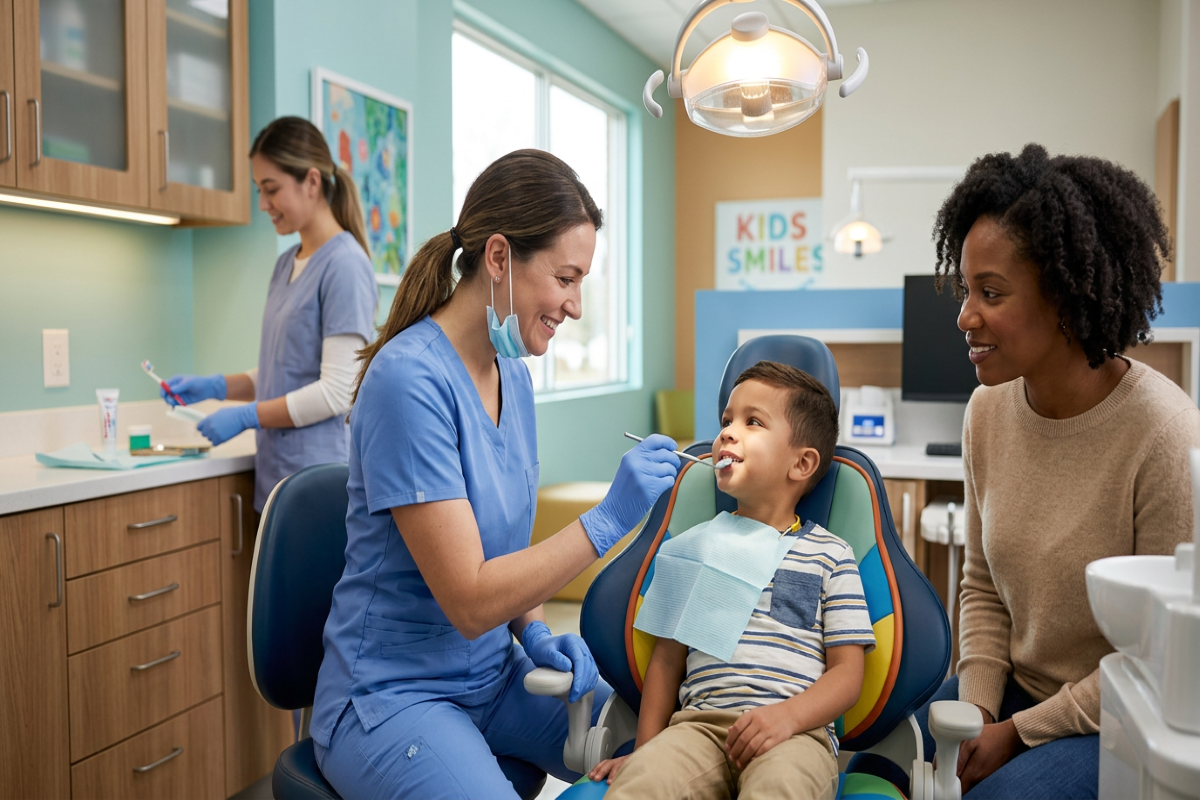
A preventive dental visit gives the dentist a chance to understand your child’s current oral health, identify changing risks, and help your family focus on the right next steps.
The exact visit can vary based on your child’s age, comfort, health history, and dental needs. In general, it may include the following.
Reviewing Your Child’s History
The dental team may ask about your child’s:
Medical conditions and medications
Previous dental experiences
Brushing and flossing routine
Food, snack, and drink habits
Tooth sensitivity or discomfort
Oral habits, such as thumb sucking
Sensory, behavioral, or communication needs
These details help the team understand what happens outside the dental office. They may also reveal factors that affect cavity risk or make home care more difficult.
Examining the Teeth and Mouth
The dentist may examine your child’s teeth, gums, bite, and oral development. They may look for plaque, early signs of decay, enamel changes, areas that are difficult to clean, and how new teeth are coming in.
X-rays may be recommended when clinically appropriate. They are not automatically needed at every visit. The decision depends on factors such as age, dental development, symptoms, history, and cavity risk.
Assessing Cavity Risk
Cavity-risk assessment brings several pieces of information together. The dentist may consider previous decay, current findings, fluoride exposure, daily habits, health conditions, and protective factors.
This assessment helps guide decisions about preventive services and how often your child should return. Pediatric dental guidance supports adjusting care to the individual child rather than relying on one identical schedule for every patient.
Providing Preventive Care
Depending on your child’s needs, the visit may include:
Professional cleaning
Fluoride treatment
Dental sealant recommendations
Brushing or flossing demonstrations
Food and drink guidance
Advice for managing difficult home-care routines
Fluoride treatments and sealants are considered within the child’s broader prevention plan. They support daily care rather than replacing it.
Creating Clear Next Steps
Before the visit ends, the dental team should explain what they found, what parents should monitor, and which habits deserve the most attention.
You may leave with one or two practical changes rather than a long list of instructions. For example, the priority may be helping with nighttime brushing, reducing frequent sipping, beginning flossing between touching teeth, or watching a specific area.
The team may also recommend when your child should return. That timing can change as your child grows or if their level of risk changes.
A useful preventive visit should leave you with greater clarity, not more confusion. You should understand what is going well, what needs attention, and how the plan supports your child’s health over time.
Questions Parents Can Bring to the Visit
It is easy to forget questions once the appointment begins. Bringing a short list can help you leave with clearer answers and a more useful prevention plan.
You might ask:
Are we using the right toothbrush and toothpaste for my child’s age?
How much toothpaste should we use?
When should we begin flossing?
Is my child ready to brush independently?
Are there areas we are missing during brushing?
Do my child’s snack or drink habits increase cavity risk?
Would fluoride treatment be appropriate?
Should we discuss dental sealants?
Are there any teeth or areas we should monitor at home?
Could a medical condition or medication affect my child’s oral health?
How can we make brushing easier if my child resists it?
How often should my child return based on their current needs?
You do not need to ask every question at once. Choose the ones that match what you are seeing at home.
It can also help to share specific examples.
Instead of saying, “Brushing is difficult,” you might explain, “My child is comfortable with the toothbrush but becomes upset when we add toothpaste.” That detail gives the dental team more useful information and may lead to a more practical recommendation.
Parents do not need perfect language or a complete history before asking for help. A simple description of what you have noticed is often enough to start a useful conversation.
The best questions are the ones that help you understand what matters now, what can wait, and what your child may need as they grow.
What a Good Prevention Plan Should Feel Like

A good prevention plan should make dental care feel clearer, not heavier.
Parents should understand which habits matter most, why certain recommendations were made, and what to focus on between visits. The plan should feel practical enough to use during a busy week, not designed for a perfect routine that rarely exists.
It should also feel personal.
A child who is learning to tolerate toothpaste may need a different next step than a child who brushes independently but snacks throughout the day. A family managing sensory sensitivities may need a slower, more flexible approach. Another family may need help building consistency after routines have changed.
Good prevention plans share several qualities:
They use clear language.
They focus on realistic priorities.
They reflect the child’s current needs.
They give parents room to ask questions.
They adjust as the child grows.
They support progress without blame.
Parents should also feel comfortable saying when a recommendation is difficult to follow. That information matters. A plan that looks good on paper but does not fit the family’s daily life may need to be adjusted.
Progress can be small. It may mean brushing one area more thoroughly, changing a drink routine, introducing flossing gradually, or helping a child feel more comfortable during the next visit.
The goal is not to create pressure around dental care. It is to give families a clear path forward.
A useful plan should leave you feeling informed, supported, and confident about the next step.
When Should Parents Contact a Pediatric Dentist?
You do not need to wait for severe pain before contacting a pediatric dentist.
Some dental concerns begin with small changes in behavior, eating, brushing, or appearance. Reaching out early can help you understand whether the change needs attention, monitoring, or a simple adjustment at home.
Consider contacting a pediatric dentist if your child:
Reports tooth pain or sensitivity
Avoids chewing on one side
Stops eating foods they usually enjoy
Has swelling, bleeding, or persistent gum irritation
Develops spots, discoloration, or visible damage on a tooth
Experiences a dental injury
Has ongoing difficulty with brushing or flossing
Frequently complains about discomfort in the mouth
Has changes in tooth eruption or development that concern you
Needs additional support because of medical, sensory, behavioral, or developmental needs
You can also contact the dental team when nothing appears wrong but you are unsure about your child’s routine.
Questions about toothpaste, fluoride, flossing, snacks, thumb sucking, dry mouth, or dental visits are valid reasons to start a conversation. Preventive guidance can be useful before a concern turns into a more disruptive problem.
Seek urgent professional guidance when your child has significant facial swelling, uncontrolled bleeding, severe pain, difficulty breathing or swallowing, or a serious injury involving the mouth or teeth.
Parents often hesitate because they do not know whether a concern is “important enough.” You do not need to make that decision alone. Describe what you have noticed, how long it has been happening, and whether it affects your child’s eating, sleeping, brushing, or daily comfort.
The dental team can help determine the most appropriate next step.
Frequently Asked Questions
Is every child’s dental prevention plan different?
The basic foundations are often similar, but the details may vary. Age, dental development, cavity history, brushing ability, diet, health conditions, fluoride exposure, and sensory or behavioral needs can all shape the plan.
How early should a dental prevention plan begin?
Preventive care begins before a child can manage oral hygiene independently. Parents can start building healthy habits early and establish care with a pediatric dentist during the first year of life or when the first tooth appears.
Does every child need fluoride treatment?
No single recommendation fits every child. A dentist may consider age, cavity risk, toothpaste use, drinking water, previous decay, and clinical findings before recommending professional fluoride treatment.
Does every child need dental sealants?
Not necessarily. Sealants are often considered for back teeth with deep grooves or a higher risk of decay. The decision depends on the tooth, its condition, and the child’s individual needs.
How often should children visit the dentist?
Many children follow a regular preventive schedule, but the timing may change based on risk, development, symptoms, and dental history. A child with more active concerns may need closer monitoring than a child with fewer risk factors.
When should parents begin flossing their child’s teeth?
Flossing usually becomes important when two teeth touch and a toothbrush can no longer clean the space between them effectively. A pediatric dentist can show you when and how to begin.
Can a child have a cavity without pain?
Yes. Early decay may not cause obvious pain. That is one reason preventive visits and routine examinations matter, even when a child says their teeth feel fine.
What should parents bring to a preventive appointment?
Bring relevant health information, medication details, dental history, insurance information, and any questions about brushing, eating, drinking, symptoms, or behavior. For children with sensory or developmental needs, it can also help to share triggers, communication preferences, and comfort strategies.
What if my child is not comfortable with dental visits?
Comfort can develop over time. The dental team may use preparation, simple explanations, visual supports, pacing, breaks, or shorter goals to help the child become more familiar with the experience.
A successful visit does not always require completing every planned step. Sometimes progress means meeting the team, sitting in the chair, or allowing a brief examination.
Can parents ask for a simpler home-care plan?
Yes. If a routine feels unrealistic, say so. The dental team can help identify the highest-priority change and build from there.
A plan is only useful when your family can follow it consistently.
A Prevention Plan Should Grow With Your Child

Protecting your child’s smile does not require a perfect routine or a long list of rules.
It starts with understanding what matters most for your child right now.
Their age, dental development, brushing habits, food and drink routines, health history, and comfort with care can all shape the right prevention plan. As those factors change, the plan should change with them.
As new teeth appear and your child becomes more independent, their daily care needs may change too. Our guide to baby tooth care at each stage explains what parents can expect as their child grows.
That is why regular conversations with a pediatric dental team matter. They help you separate general advice from the steps that are most useful for your family.
You may leave one visit focused on improving nighttime brushing. At another, the priority may be flossing, fluoride, sealants, or helping your child feel more comfortable in the dental chair.
Progress does not need to happen all at once.
A good prevention plan gives you clear priorities, realistic next steps, and the confidence to adjust as your child grows.
Have Questions About Your Child’s Prevention Plan?
If you are unsure about brushing, cavity risk, fluoride, dental sealants, or the right time for your child’s next visit, contact Hurst Pediatric Dentistry.
Call the office to start a conversation about your child’s needs.

19 INVERNESS CENTER PARKWAY, STE 250, BIRMINGHAM, AL 35242
TEL: 205.969.7454
E-MAIL: [email protected]
2018 © ALL RIGHTS RESERVED | PRIVACY POLICY | TERMS AND CONDITIONS
Site by Trustway Marketing Powered by Kyrios Systems