
Why Does My Child Chew on Shirts, Pencils, or Toys?
Children chew on non-food objects like shirts, pencils, and toys primarily to seek oral sensory input, manage stress, improve concentration, or relieve physical discomfort in their mouth. You notice the collar of your child’s shirt is soaked by the end of the day, or their pencils are covered in deep bite marks. Backpack straps, sleeves, and plastic toys keep ending up between their teeth, leaving you worried about ruined belongings and potential tooth damage.
It can look like a simple habit, but chewing on non-food objects can happen for several reasons. Some children chew because they are teething or adjusting to changes in their mouth. Others may do it for sensory input, comfort, concentration, or as a way to cope with stress.
The behavior alone does not tell you exactly what is going on. What matters is the pattern: what your child chews, when they do it, how often it happens, and whether it is affecting their teeth, mouth, safety, or daily routine.
Instead of focusing only on how to make the chewing stop, it can be more helpful to first understand why it may be happening and whether the objects your child is chewing are safe.
In this guide, we’ll look at common reasons children chew on shirts, pencils, toys, and other objects, how these habits can affect their teeth, what parents can watch for, and when it may be worth speaking with a healthcare professional.
Why Does My Child Chew on Shirts, Pencils, or Toys?
Children may chew on shirts, pencils, toys, or other non-food objects for several different reasons. Depending on their age and what is happening around them, chewing may be connected to normal development, changes in the mouth, sensory input, comfort, concentration, stress, or simply a habit that has developed over time.
For a toddler, putting objects in the mouth may still be part of exploring the world or responding to teething. An older child might chew on a pencil while doing homework, bite their shirt collar when they feel unsettled, or reach for an object without even realizing they are doing it.
In some cases, chewing may also happen when something in the mouth feels uncomfortable, such as teething, a loose tooth, or another source of irritation.
That is why the object itself only tells part of the story. A chewed pencil does not automatically mean a child is anxious, and a wet shirt collar does not automatically point to a sensory issue.
The more useful clues are often found in the pattern. When does the chewing happen? What does your child choose to chew? How often does it happen? Did it start recently? Does anything in their mouth seem to bother them?
Looking at those details can help you better understand what may be behind the behavior and whether it is something that simply needs monitoring or deserves a closer look.
Is Chewing on Things Normal for Children?
Chewing and mouthing are common parts of early development, especially in younger children. Babies and toddlers often use their mouths to explore objects while teething or learning about different textures. As children get older, however, the meaning behind the behavior can change significantly.
For younger children, chewing is a natural way to soothe pressure on the gums during teething. At this age, the primary concern for parents is safety, ensuring that objects are clean, age-appropriate, and large enough to prevent choking hazards.
Babies and Toddlers Often Explore With Their Mouths
For younger children, chewing may be part of normal development. Teething can also make pressure on the gums feel soothing, which is why toys and other safe objects may end up in their mouths more often.
At this age, the biggest concern is usually safety. Objects should be clean, age-appropriate, and large enough that they do not create a choking risk.
Chewing Can Mean Something Different in an Older Child
Occasional chewing is different from a habit that happens throughout the day, damages objects, affects the teeth, or seems difficult for the child to control.
The goal is not to label the behavior too quickly. It is to notice when it happens, what your child is chewing, and whether there are any signs of discomfort, tooth damage, or safety concerns.
Oral Sensory Seeking Can Be One Reason Children Chew
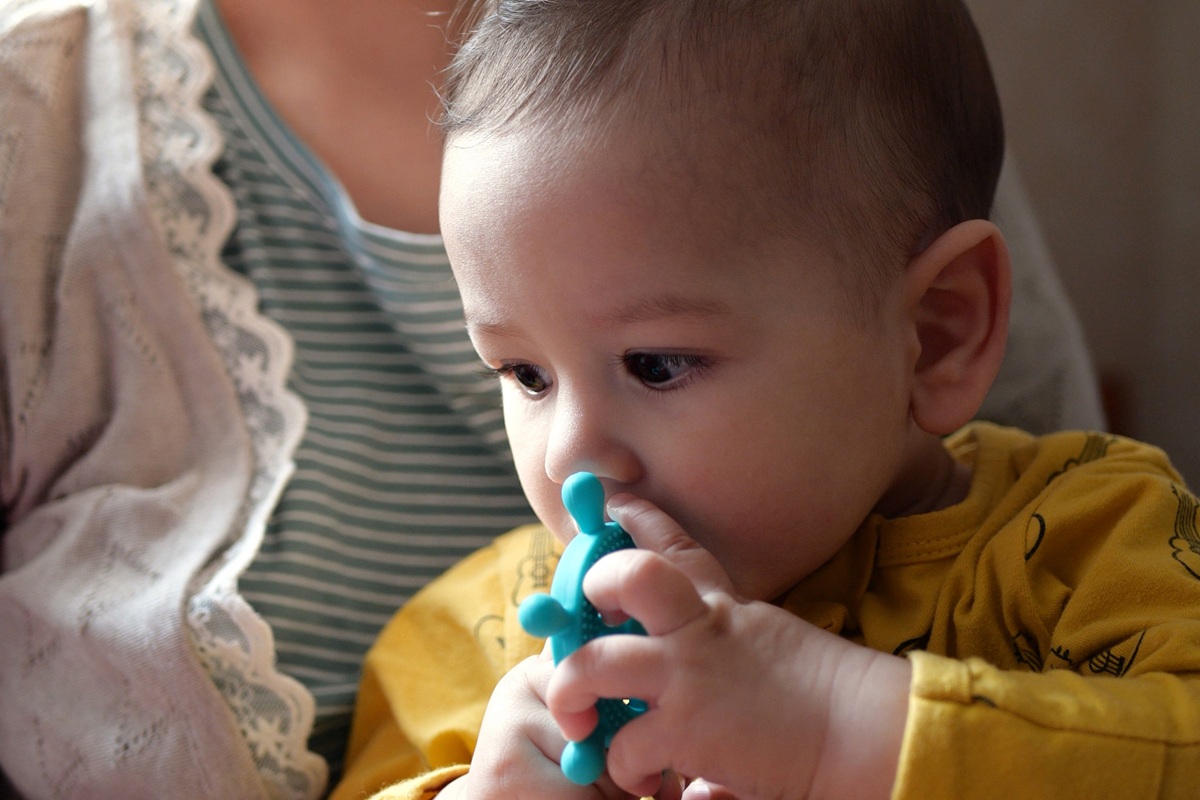
For some children, chewing provides sensory input through the mouth and jaw. You may notice this more when your child is doing homework, sitting through a long activity, transitioning between tasks, or feeling overstimulated. They might chew on a shirt collar, pencil, toy, or another object without giving it much thought.
If a school-age child regularly chews on pencils, shirt collars, toys, or other objects, it can be worth paying closer attention to the pattern. That does not mean something is wrong, but it simply indicates the behavior may be serving a different purpose than it would in a toddler. Some children chew more when they are concentrating, feeling stressed, seeking sensory input, or dealing with changes in their mouth.
What Does Oral Sensory Seeking Look Like?
It can show up as:
chewing sleeves or shirt collars
biting pencils or erasers
mouthing toys
chewing backpack straps
frequently seeking crunchy or chewy foods
These behaviors can be part of the way a child seeks extra oral input.
Chewing Alone Does Not Diagnose a Sensory Issue
One important distinction: chewing by itself does not mean your child has a sensory processing condition.
The same behavior can happen for many reasons. What matters is the bigger picture, including how often it happens, when it happens, and whether you are noticing other concerns.
If chewing is frequent, intense, or affecting daily activities, it may be worth discussing the pattern with your child’s healthcare provider.
Some Children Chew When They Feel Stressed or Overwhelmed

Chewing can also become a way some children calm or steady themselves when they feel tense, uncertain, or overstimulated.
You may notice it before a test, during homework, in the car, while waiting, or when your child is entering a new environment. In those moments, chewing may become a repetitive action that helps them cope with what they are feeling.
Chewing can also become a way some children calm or steady themselves when they feel tense, uncertain, or overstimulated. You may notice it before a test, during homework, in the car, while waiting, or when your child is entering a new environment. In those moments, chewing may become a repetitive action that helps them cope with what they are feeling.
That does not mean every child who chews is anxious. The more useful question is whether the behavior appears consistently during certain situations. If chewing increases when your child is under pressure, frustrated, tired, or overwhelmed, that pattern may offer an important clue.
Rather than focusing only on stopping the behavior, it can help to notice what was happening just before it started. That context can make the habit easier to understand.
Chewing May Help Some Children Concentrate
Some children seem to chew more when they are trying to focus. You might notice it while they are reading, doing homework, watching something closely, or sitting through a long classroom activity. The chewing may happen almost automatically, especially when the task requires sustained attention.
For some children, that repeated oral movement may help them stay engaged with what they are doing. What matters is observing the overall pattern rather than assuming chewing is improving concentration or that every child needs it to focus.
If your child mainly chews during activities that require attention, that can be useful information to note. It may help explain why the behavior appears more often at certain times than others.
Teething, Loose Teeth, or Mouth Discomfort Can Also Trigger Chewing
Teething, Loose Teeth, or Mouth Discomfort Can Also Trigger ChewingSometimes the reason is more physical rather than emotional or sensory. Younger children may chew because pressure on the gums feels soothing during teething, while older children may chew more when a tooth is loose, a new tooth is coming in, or something in the mouth feels uncomfortable.
A sudden change in behavior is especially worth noticing. If your child did not usually chew on objects and then starts doing it often, especially while also mentioning tooth sensitivity, gum soreness, or discomfort when eating, the mouth itself may be part of the reason.
That does not mean chewing points to a specific dental problem. It simply means a pediatric dentist may be able to check for things like irritated gums, damaged teeth, or other sources of oral discomfort.
Can Chewing on Pencils or Toys Damage a Child’s Teeth?
Can Chewing on Pencils or Toys Damage a Child’s Teeth? It can, especially when a child regularly chews hard objects. Pencils, pens, hard plastic toys, and similar items place repeated pressure on the teeth. Over time, that constant pressure may contribute to small chips, worn edges, sensitivity, or other structural damage.
Soft items, such as shirt collars, are less likely to chip a tooth, but they can still create other concerns. Wet fabric can harbor bacteria or irritate the skin around the mouth, while frayed fabric creates potential risks if pieces are swallowed.
The Object Matters
A useful rule is to pay attention to what your child is chewing.
Hard, sharp, dirty, or breakable objects carry more risk than soft items designed for safe oral use. Pencils can splinter. Plastic pieces can break. Small parts can create choking or swallowing concerns.
If you notice visible tooth damage, sensitivity, mouth pain, or frequent chewing on hard objects, it is worth mentioning at your child’s dental visit.
The goal is not to panic over an occasional chewed pencil. It is to recognize when repeated chewing could start affecting the teeth or mouth.
Look for the Pattern Before Trying to Stop the Chewing
Look for the Pattern Before Trying to Stop the Chewing
Before you focus on stopping the habit, spend a few days watching when and how it happens. The pattern can tell you more than the chewing itself.
Pay attention to questions like:
What does your child usually chew?
When does it happen most often?
Does it increase during homework, screen time, transitions, or stressful moments?
Did the habit start recently?
Is your child aware they are doing it?
Are they chewing or actually swallowing pieces?
Do they mention tooth, gum, or mouth discomfort?
You do not need to track every moment. A few clear observations can help you see whether the behavior looks occasional, situation-specific, or frequent enough to deserve a closer look. That information can also make conversations with your child’s dentist or pediatrician much more useful.
What Can Parents Do About a Child Who Chews on Things?
The right response depends on why your child is chewing and whether the object creates a safety or dental concern.
Start with the basics.
Remove objects that are hard, sharp, dirty, small enough to swallow, or easy to break apart. If the chewing seems connected to certain situations, such as homework or transitions, pay attention to those moments instead of only correcting the behavior after it starts.
It can also help to talk with your child, if they are old enough to explain what they are feeling.
You might ask:
“Do you notice when you start chewing?”
“Does it happen more when you are trying to focus?”
“Does anything in your mouth feel sore or uncomfortable?”
Avoid turning the habit into a source of shame. Repeated reminders like “Stop chewing that” may address the moment without helping you understand what is driving it.
If the chewing is frequent, intense, damaging the teeth, or tied to other concerns, bring the pattern to the appropriate healthcare professional. A pediatric dentist can evaluate the teeth and mouth, while a pediatrician can help when the concern extends beyond oral health.
Chewing Is Different From Eating Non-Food Objects
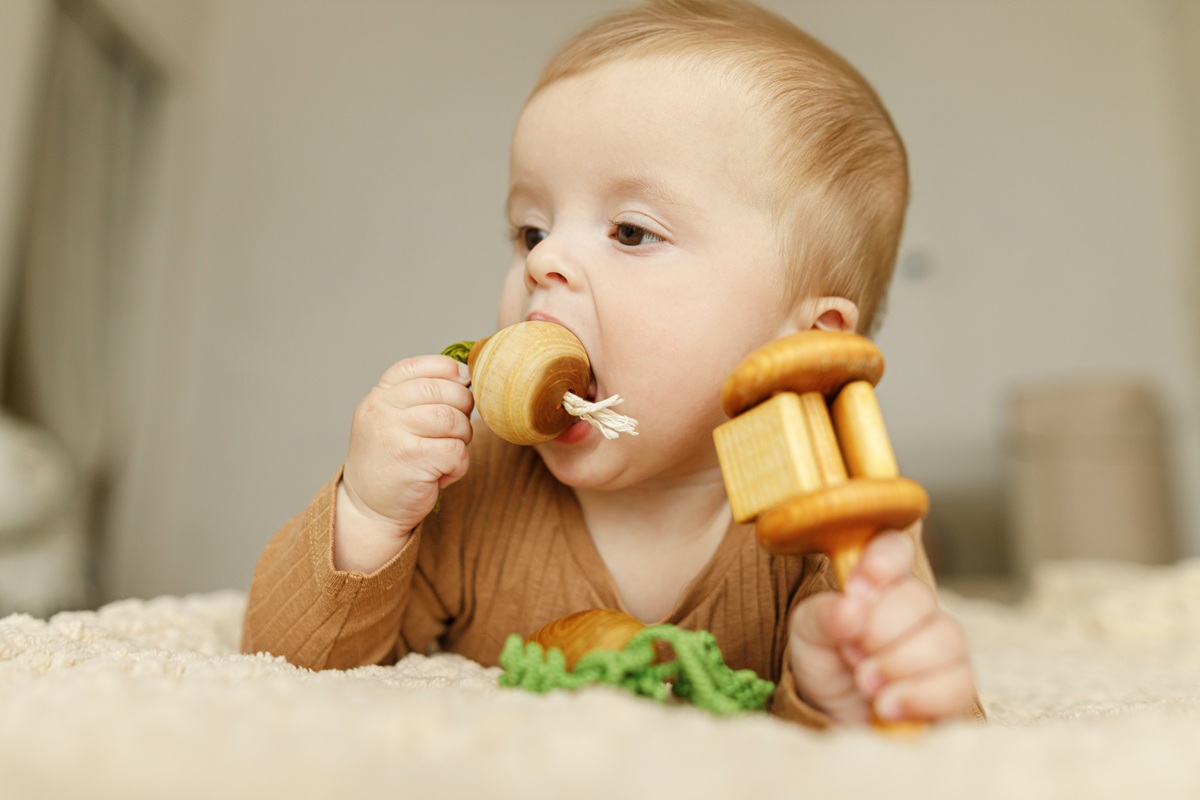
There is an important difference between chewing on something and actually eating it.
A child may bite or chew a shirt sleeve, pencil, or toy without swallowing any part of it. That is different from repeatedly eating or swallowing non-food materials such as fabric, paper, dirt, plastic, or eraser pieces.
If your child is swallowing non-food items, bring it up with their pediatrician.
That behavior may need a different kind of evaluation than a simple chewing habit, especially if it happens repeatedly or creates concerns about choking, digestion, or nutrition.
This is one reason it helps to watch closely enough to know what is actually happening. “Chewing” and “eating” can look similar at first, but they do not always point to the same concern.
When Should You Talk to a Healthcare Professional?

You should talk to a healthcare professional if your child's chewing habit causes visible tooth damage, involves swallowing non-food items, creates a choking hazard, or is accompanied by pain, emotional distress, or sudden changes in behavior.
When to Talk to a Pediatric Dentist
Consider a dental evaluation if:
chewing seems connected to tooth or mouth pain
the habit starts suddenly
a tooth looks chipped, cracked, or worn
your child complains of sensitivity
the gums look irritated
your child frequently chews hard objects
you are unsure whether the habit is affecting the teeth
A pediatric dentist can check for tooth damage, gum irritation, changes in tooth eruption, or other sources of oral discomfort.
When to Talk to Your Child’s Pediatrician
It may make more sense to start with your child’s pediatrician if the concern goes beyond the teeth and mouth.
Examples include:
repeatedly swallowing non-food materials
choking or gagging
noticeable changes in eating
broader developmental or behavioral concerns
significant distress related to the behavior
a sudden or major change in chewing habits
Dental symptoms point toward a pediatric dentist. Concerns involving eating, development, or overall health may be better discussed with your child’s pediatrician.
The Goal Is to Understand the Chewing Before Trying to Eliminate It
A chewed pencil, damp shirt collar, or toy that keeps ending up in your child’s mouth can look like a simple bad habit.
Sometimes it is temporary.
Other times, the chewing may be connected to sensory input, stress, concentration, changes in the mouth, or a habit that has become automatic.
You do not need to figure out the exact cause from one behavior. Start by noticing the pattern, making sure the objects are safe, and watching for signs of tooth damage, discomfort, swallowing, or changes in daily behavior.
If something does not feel right, bring what you are noticing to your child’s pediatric dentist or pediatrician.
Understanding the behavior first gives you a clearer path forward than simply trying to make it stop.
Frequently Asked Questions
Is it normal for a child to chew on their shirt?
It can be. Younger children may chew as part of normal development, while older children may do it for comfort, concentration, sensory input, or out of habit. The pattern matters more than the behavior alone.
Why does my child chew on clothes when concentrating?
Some children seem to chew more during tasks that require sustained attention, such as reading or homework. The chewing may become an automatic behavior that helps them stay engaged.
Is chewing on pencils bad for children’s teeth?
Frequent chewing on hard objects can place extra pressure on the teeth and may contribute to chips, wear, or sensitivity. If you notice visible damage or discomfort, mention it to your child’s pediatric dentist.
Does chewing on things mean my child has a sensory issue?
Not necessarily. Sensory seeking is one possible reason, but chewing alone does not diagnose a sensory condition. Stress, concentration, teething, oral discomfort, and habit can also play a role.
Why did my child suddenly start chewing on everything?
A sudden change can happen for several reasons, including stress, changes in routine, teething, loose teeth, or discomfort in the mouth. If the behavior is new and frequent, look for other changes that may help explain the pattern.
Can teething make children chew on clothes or toys?
Yes. During teething, pressure on the gums may feel soothing, so younger children often look for safe objects to chew.
When should I worry about my child chewing non-food objects?
Pay closer attention if the behavior is frequent, causes tooth damage, creates a choking risk, involves swallowing non-food materials, or is accompanied by pain or major changes in eating or behavior.
Should I take my child to a dentist for chewing habits?
A pediatric dentist can help if chewing is causing tooth wear, chips, sensitivity, gum irritation, or mouth discomfort. A dental exam can also help rule out oral causes when the behavior is new or difficult to explain.
Not Sure If the Chewing Is Affecting Your Child’s Teeth?
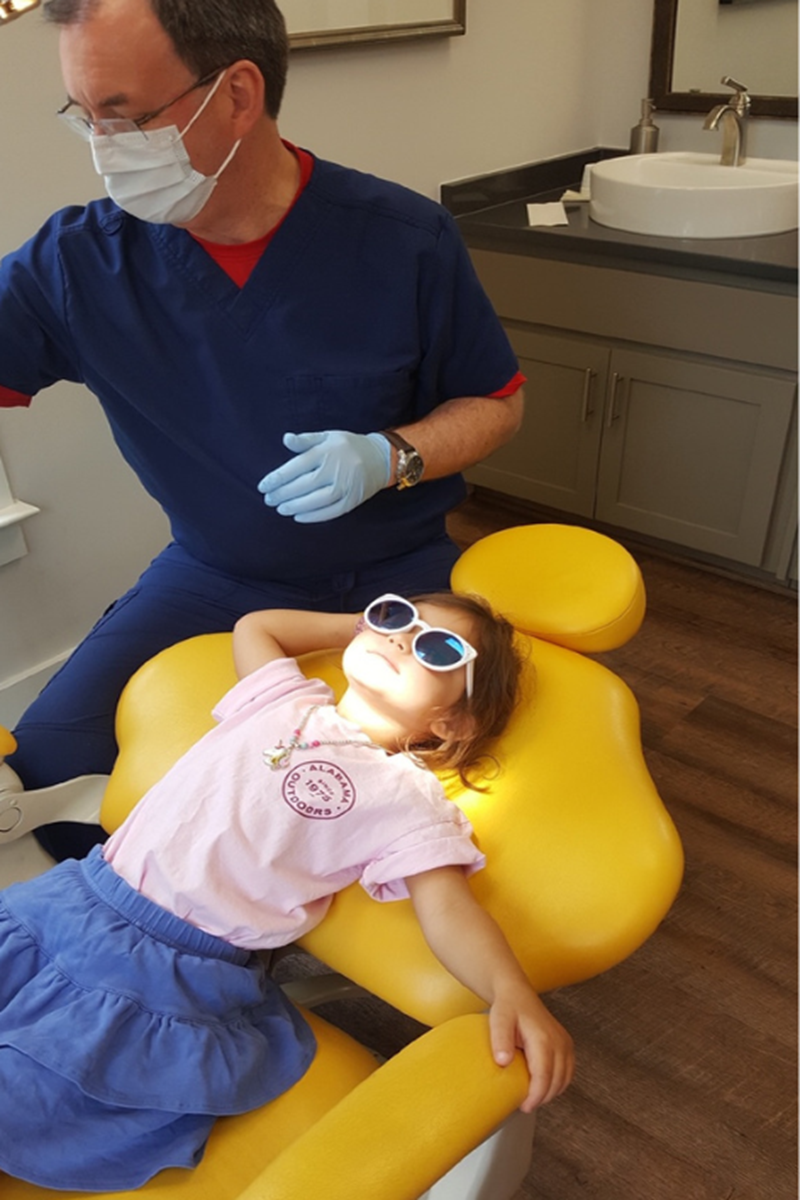
If your child frequently chews on pencils, toys, clothing, or other non-food objects, a dedicated dental evaluation can help you protect their developing smile and give you peace of mind. At Hurst Pediatric Dentistry, our team examines your child's teeth, gums, and bite alignment to identify any early signs of wear or discomfort, while helping you establish safe habits in a supportive environment.
Schedule a gentle dental checkup with Hurst Pediatric Dentistry to ensure your child's smile stays healthy and strong.
