
Is Thumb Sucking a Problem? Here’s When It Starts Affecting Their Teeth
“Is this actually a problem?”
It’s a question many parents ask quietly while watching their child fall asleep with a thumb in their mouth.
At first, thumb sucking seems harmless. It helps children self-soothe, sleep, and feel secure during stressful or unfamiliar moments. In babies and toddlers, it’s incredibly common and usually not a cause for concern.
But as children grow, many parents start wondering when a comforting habit can begin affecting their child’s teeth, bite, or jaw development.
The good news is that thumb sucking does not automatically cause dental problems. In many cases, children stop naturally on their own. What matters most is your child’s age, how often the habit happens, and how intensely they suck their thumb.
In this guide, we’ll explain when thumb sucking can start affecting teeth, what signs parents should watch for, and gentle ways to help children stop without shame, stress, or fear.
Why Children Suck Their Thumbs
Thumb sucking is one of the most common self-soothing habits in early childhood. Many babies actually begin sucking their thumbs before they’re even born, and for young children, the habit often provides comfort, security, and relaxation.
Children may suck their thumbs when they feel tired, overwhelmed, bored, anxious, or ready for sleep. For some little ones, it becomes part of their bedtime routine. Others use it during stressful situations like starting daycare, visiting new places, or adjusting to changes at home.
In many cases, thumb sucking during infancy and the toddler years is completely normal. Most children naturally reduce the habit as they grow, become more socially aware, and develop other coping skills.
What matters most is not simply whether a child sucks their thumb, but how often and how intensely the habit happens.
For example, a child who occasionally sucks their thumb while falling asleep is very different from a child who sucks aggressively throughout the day for comfort. Frequent or forceful thumb sucking places more pressure on developing teeth, gums, and the roof of the mouth over time.
This is why pediatric dentists typically look at three key factors:
Your child’s age
How often does the habit happen?
The intensity of the sucking habit
Understanding those differences helps parents avoid unnecessary worry while still recognizing when extra support may be helpful.
The goal is never to shame children for self-soothing behaviors. Instead, the focus is on protecting healthy dental development while helping children transition away from the habit at the right time and in a positive, supportive way.
At What Age Does Thumb Sucking Start Affecting Teeth?
One of the biggest questions parents ask is whether thumb sucking is actually harmful or simply a normal childhood phase. The answer usually depends on timing.
For babies and toddlers, thumb sucking is typically not a major concern. In fact, many young children stop naturally between ages 2 and 4 without any intervention.
Pediatric dentists usually begin monitoring the habit more closely as children approach preschool age, especially if thumb sucking continues frequently after age 3 or 4.
Why does age matter so much?
As children grow, their teeth, jaw, and palate continue developing. Prolonged pressure from thumb sucking can gradually influence how those structures form, particularly once permanent teeth begin developing beneath the gums.
This does not mean every child who sucks their thumb will develop dental problems. Some children experience little to no noticeable changes. Others may begin showing bite or alignment issues depending on:
How often do they suck their thumb?
How forcefully they suck?
How long has the habit continued?
In general, the risk of dental changes increases when:
Thumb sucking continues beyond age 4
The habit happens throughout the day
The Child sucks aggressively or with strong pressure
At this stage, pediatric dentists may start watching for early signs of bite changes or jaw development concerns.
The encouraging news is that many dental effects can improve naturally when the habit stops early enough. Children’s mouths are still developing, which means early intervention and gentle guidance can make a significant difference.
That’s why the focus is usually not on panic or punishment. It’s on recognizing the right timing, monitoring development carefully, and supporting healthy habits before small issues become larger orthodontic concerns later on.
How Thumb Sucking Can Affect Teeth and Jaw Development
When thumb sucking continues for several years, especially with frequent or forceful sucking, it can begin changing the way a child’s teeth and jaw develop over time.
Children’s mouths are still growing, which means repeated pressure from a thumb resting against the teeth, gums, and roof of the mouth can gradually influence alignment and bite patterns.
Some children experience only minor changes. Others may develop more noticeable dental issues that eventually require orthodontic treatment.
Open Bite
One of the most common effects of prolonged thumb sucking is an open bite.
This happens when the upper and lower front teeth no longer touch when the mouth closes. Instead, a visible gap remains between the teeth.
Children with an open bite may have difficulty biting into foods properly, and in some cases, speech sounds can also be affected.
Overbite Changes
Thumb sucking can also push the upper front teeth outward over time. This may increase the appearance of an overbite, where the top teeth extend too far forward compared to the bottom teeth.
The longer the habit continues, the greater the pressure placed on developing teeth and jaw structures.
Changes to the Roof of the Mouth
Frequent thumb sucking may gradually affect the shape of the palate, also known as the roof of the mouth.
In some cases, the palate can become narrower than normal. This may contribute to alignment problems later and sometimes affects how permanent teeth come in.
Tooth Alignment Problems
Because thumb sucking places pressure on growing teeth, it can influence the direction teeth move as they erupt.
Some children develop:
crooked teeth
spacing problems
shifting bite patterns
crowding concerns later in childhood
This does not always mean braces will be needed, but prolonged habits can increase the likelihood of future orthodontic treatment.
Speech Changes in Some Children
Certain bite changes caused by thumb sucking may also affect speech development.
For example, children with open bites sometimes struggle with sounds like:
“S”
“Z”
“Th”
Speech differences vary from child to child, but they can become more noticeable when thumb sucking continues into the later preschool or elementary years.
Not Every Child Experiences the Same Effects
One important thing parents should know is that thumb sucking affects every child differently.
Some children develop noticeable bite changes quickly, while others may continue the habit for years with minimal visible effects. Factors like genetics, jaw growth, frequency of the habit, and sucking intensity all play a role.
That’s why regular pediatric dental visits are so valuable. Monitoring growth early allows small concerns to be identified before they become more difficult to correct later on.
Signs Parents Should Watch For
Most thumb sucking during early childhood is harmless. But as children grow, there are certain signs that may suggest the habit is beginning to affect dental development.
The earlier these changes are noticed, the easier they often are to address.
Parents do not need to monitor every small behavior or feel pressured to stop the habit overnight. Instead, it helps to simply watch for patterns that may signal it’s time for extra support or a conversation with a pediatric dentist.

Changes in Bite Alignment
One of the clearest signs is a visible change in how your child’s teeth come together when they bite down.
You may notice:
a gap between the upper and lower front teeth
front teeth beginning to angle outward
teeth no longer lining up naturally
These changes can happen gradually, which is why they sometimes go unnoticed at first.
Thumb Sucking Throughout the Day
Occasional thumb sucking during naps or bedtime is usually less concerning than constant daytime sucking.
Children who rely on the habit throughout the day place more continuous pressure on their developing teeth and jaw.
Pay attention if thumb sucking becomes:
frequent during waking hours
difficult to interrupt
a primary coping mechanism for stress or boredom
Aggressive or Forceful Sucking
Intensity matters just as much as frequency.
Some children gently rest their thumb in their mouth, while others suck forcefully enough to create noticeable pressure around the cheeks and mouth muscles.
More aggressive sucking habits are more likely to affect bite development over time.
Speech Changes
Certain speech patterns may also signal that thumb sucking is beginning to influence oral development.
Parents sometimes notice:
difficulty pronouncing “S,” “Z,” or “Th” sounds
a developing lisp
tongue positioning changes during speech
Not every speech difference is caused by thumb sucking, but it can contribute in some cases.
Mouth Breathing or Changes in Oral Posture
In some children, prolonged thumb sucking may influence the way the mouth rests naturally.
You may notice:
Frequent mouth breathing
Lips staying open at rest
Changes in tongue posture
These habits can sometimes work together with bite changes as children grow.
Emotional Dependence on the Habit
Another important sign is emotional reliance.
If a child becomes extremely distressed when unable to suck their thumb, or uses the habit heavily during stress, transitions, or frustration, they may need additional support learning alternative coping strategies.
This does not mean the child is “bad” or doing something wrong. Thumb sucking often starts as a healthy comfort behavior. The goal is simply to help children outgrow the habit in a way that feels supportive, encouraging, and developmentally appropriate.
If parents notice any of these signs, a pediatric dentist can help evaluate whether the habit is affecting dental growth and recommend gentle next steps if needed.
Thumb Sucking vs. Pacifier Use
Many parents wonder whether thumb sucking or pacifier use is “better” for their child’s teeth. The truth is that both habits can affect dental development if they continue for too long, especially beyond the toddler years.
The biggest difference is usually control.

A pacifier can eventually be limited, reduced, or removed by parents. A thumb is always available, which can sometimes make thumb sucking harder to break as children grow older.
From a dental perspective, both habits may contribute to:
bite changes
shifting teeth
open bites
jaw development concerns
The risk often depends more on:
How frequently does the habit happen?
How intensely does a child sucks?
How long has the habit continued?
In many cases, prolonged thumb sucking tends to create stronger pressure on the teeth because some children suck their thumbs more forcefully than they use pacifiers.
That said, this should never become a source of guilt for parents.
Many children naturally seek comfort through sucking behaviors during infancy and early childhood. These habits are developmentally common and often temporary.
Parents also make decisions based on real life:
sleep struggles
emotional regulation
stressful transitions
soothing routines that simply work
The goal is not perfection. The goal is helping children gradually move toward healthy oral development while still feeling emotionally secure.
For most children, pediatric dentists simply monitor the habit over time and step in with guidance if signs of dental changes begin appearing.
If parents are unsure whether a pacifier or thumb sucking habit is becoming a concern, an early evaluation can help provide reassurance and personalized recommendations based on the child’s growth and development.
When Parents Should Start Helping Their Child Stop
Most children gradually outgrow thumb sucking on their own. That’s why pediatric dentists usually focus less on stopping the habit immediately and more on watching how long it continues and whether it’s affecting dental development.
In general, parents should start encouraging children to stop thumb sucking around ages 3 to 4, especially if the habit is frequent or forceful.
This age range matters because children are becoming more aware of routines, communication, and behavior patterns. It’s also the stage when prolonged thumb sucking may begin influencing how permanent teeth and jaw structures develop.
Just as important as timing is the approach parents use.
Pressure, punishment, criticism, or constant reminders often make the habit worse instead of better. Many children suck their thumbs for comfort, especially during stress, fatigue, anxiety, or major life transitions.
If a child feels ashamed or emotionally pressured, they may actually rely on the habit even more.
That’s why gentle encouragement tends to work far better than frustration.
Parents can begin by:
talking calmly about growing out of the habit
celebrating small progress
identifying when thumb sucking happens most often
creating positive routines around sleep or stressful moments
For some children, simply becoming more aware of the habit helps them reduce it naturally over time.
It’s also important to remember that every child develops differently.
Some children stop easily after a few conversations. Others need more time, patience, and support before they’re ready to let go of a habit that has helped them feel secure for years.
The goal is not to create fear around thumb sucking. The goal is to help children transition away from the habit in a healthy, confident, and emotionally supportive way while protecting their long-term oral development.
Gentle Ways to Help Children Stop Thumb Sucking
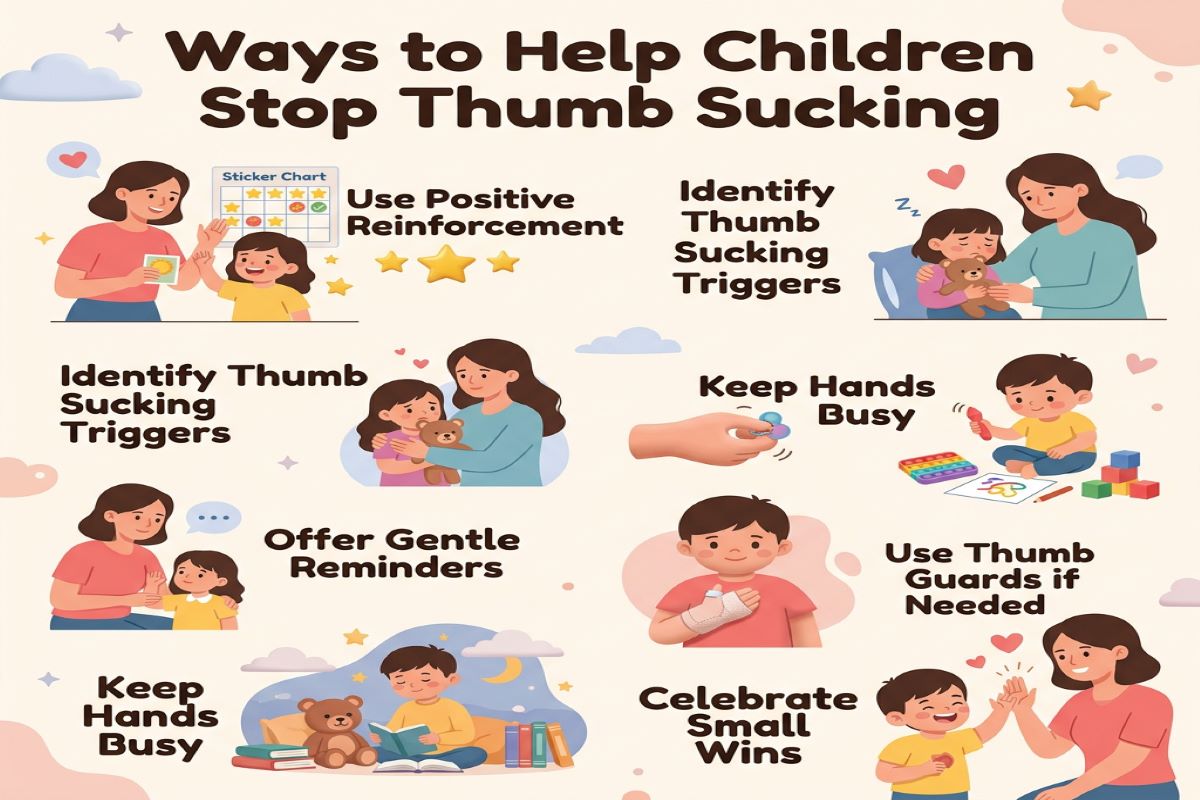
Helping a child stop thumb sucking usually works best when the process feels encouraging instead of stressful.
For many children, thumb sucking is tied to comfort, sleep, security, or emotional regulation. When parents approach the habit with patience and positivity, children are often more willing to cooperate and build confidence along the way.
The goal is not to force the habit away overnight. It’s to help children gradually develop new coping skills while protecting their growing smile.
Use Positive Reinforcement
Children respond far better to encouragement than criticism.
Celebrating progress, even small wins, helps children feel proud instead of ashamed. Parents can praise:
a thumb-free bedtime
shorter periods of thumb sucking
remembering independently not to suck their thumb
Simple rewards like stickers, extra story time, or verbal encouragement can make the process feel exciting instead of overwhelming.
Identify Common Triggers
Many children suck their thumbs automatically during specific situations.
Common triggers include:
bedtime
watching TV
car rides
stress or frustration
boredom
transitions or new environments
Once parents recognize patterns, it becomes easier to offer alternative comfort strategies before the habit begins.
For example, some children respond well to:
holding a stuffed animal
squeezing a sensory toy
cuddling a blanket
listening to calming music at bedtime
Create Gentle Bedtime Routines
Because thumb sucking often increases at night, calming bedtime routines can be especially helpful.
Consistent routines may include:
reading together
quiet music
cuddling
breathing exercises
bedtime encouragement
A predictable routine helps many children feel secure without relying as heavily on thumb sucking for comfort.
Try Reward Charts Carefully
Reward systems can work well when they stay positive and low-pressure.
For example, parents might track:
thumb-free mornings
successful naps
progress during the day
The key is focusing on encouragement instead of punishment.
If setbacks happen, children should not feel embarrassed or like they “failed.” Habits take time to change, especially for younger children.
Consider Protective Reminders if Recommended
For some children, gentle physical reminders may help reduce unconscious thumb sucking during sleep.
Examples may include:
a soft bandage on the thumb
pajama sleeves that cover the hands
pediatric dentist-recommended habit reminders
These approaches should feel supportive, not restrictive or punitive.
Know When Extra Support Can Help
Some children stop easily with home strategies. Others need additional encouragement, especially if the habit is deeply connected to stress, anxiety, or long-standing routines.
A pediatric dentist can help:
Monitor dental development
IdenitorMontify early bite changes
Recommend age-appropriate strategies
Provide encouragement that feels positive and reassuring
In some situations, habit appliances or orthodontic guidance may be discussed, but these are typically considered only when simpler approaches have not worked, and dental changes are becoming more noticeable.
Most importantly, children should never feel shamed for thumb sucking. Supportive guidance, patience, and consistency usually create the healthiest path forward for both emotional confidence and long-term oral health.
When to Talk to a Pediatric Dentist
Many parents worry they’ll either overreact too early or wait too long before asking about thumb sucking. The good news is that you do not need to figure it out alone.
In many cases, a pediatric dentist simply monitors the habit over time and helps parents understand whether it’s affecting dental development.
It may be helpful to schedule a conversation with a pediatric dentist if:
Thumb sucking continues beyond age 4
The habit is frequent throughout the day
Your child sucks aggressively or forcefully
You notice visible bite or tooth alignment changes
Your child struggles emotionally when trying to stop
Home strategies are not working
Parents should not feel embarrassed about bringing up the habit during dental visits. Thumb sucking is extremely common, and pediatric dentists discuss it with families all the time.
The goal is never to criticize children or pressure parents. Instead, the focus is on understanding:
How the habit may be affecting growth
Whether dental changes are developing
What level of support, if any, may help
In many situations, early guidance can prevent more significant orthodontic concerns later.
A pediatric dentist may evaluate:
Bite alignment
Jaw growth
Palate development
Speech-related concerns
How permanent teeth are erupting
Sometimes the recommendation is simply continued observation and gentle encouragement at home. Other times, families may benefit from more structured habit-support strategies.
For children with anxiety, sensory sensitivities, or emotional attachment to thumb sucking, pediatric dentists can also help parents approach the transition in a calm, supportive way that protects the child’s confidence.
Most importantly, early conversations create clarity.
Instead of relying on conflicting advice online or worrying quietly at home, parents can get personalized guidance based on their child’s age, development, and individual needs.
How Pediatric Dentists Help Without Shaming Children
One of the biggest fears many parents have is that their child will feel embarrassed, pressured, or judged about thumb sucking during a dental visit.
A good pediatric dentist approaches the habit very differently.
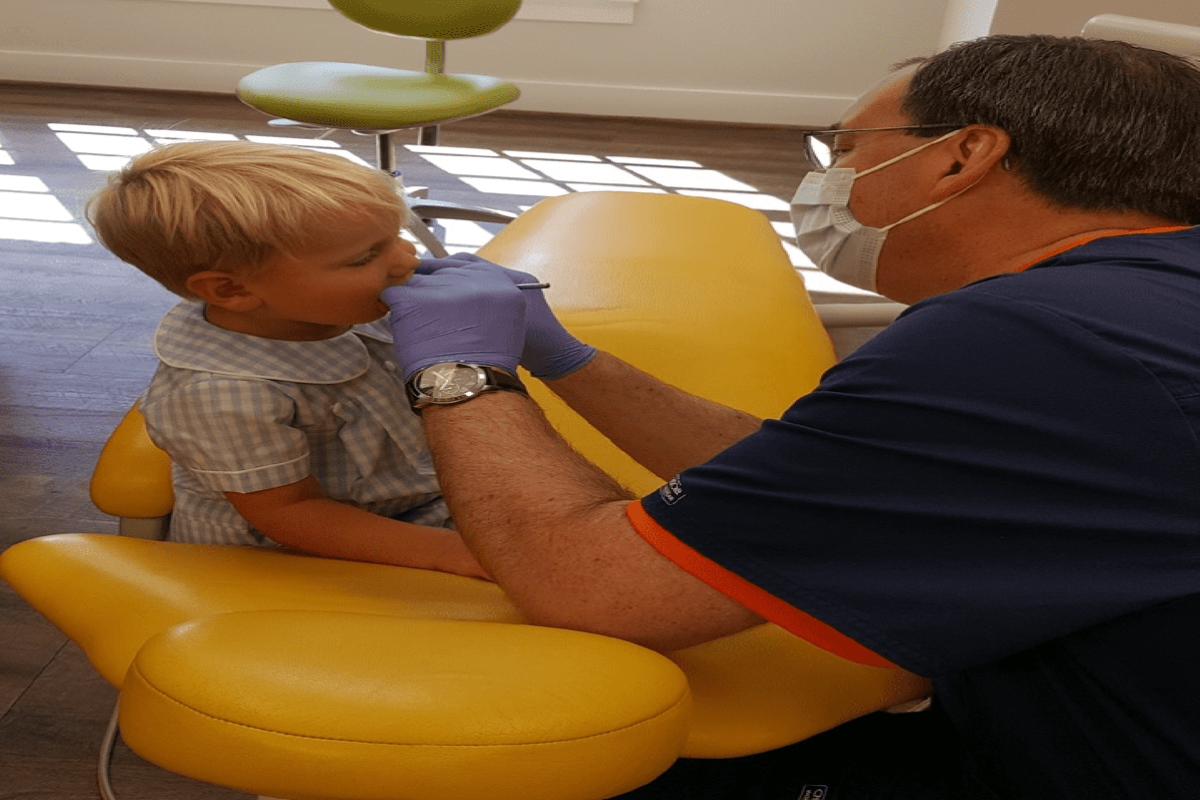
Thumb sucking is understood as a normal developmental behavior, especially in younger children. The focus is not on blame. It’s on helping children protect their growing teeth while still feeling safe, supported, and confident.
That’s why pediatric dentists usually begin with encouragement and education rather than strict correction.
During visits, a pediatric dentist may:
Monitor how the teeth and jaw are developing
Look for early bite changes
Talk with parents about habit patterns
Recommend gentle, age-appropriate strategies
For many children, simple awareness and positive reinforcement are enough to gradually reduce the habit over time.
Pediatric dentists also understand that thumb sucking is often connected to emotional comfort. Some children rely on the habit during:
Stress
Bedtime
Transitions
School changes
Anxiety
Sensory regulation
Instead of making children feel ashamed, supportive dental teams help families build confidence throughout the process.
This approach matters because shame often increases anxiety, and anxious children may cling even more strongly to comfort habits.
If additional support becomes necessary, pediatric dentists may discuss options such as:
Motivational techniques
Reward systems
Habit reminder tools
Orthodontic monitoring
Habit appliances in more advanced cases
These recommendations are usually personalized based on:
The child’s age
Emotional readiness
Dental development
Severity of bite changes
In many cases, children respond best when they feel included, encouraged, and proud of their progress instead of pressured to be “perfect.”
That’s why pediatric dentistry focuses on partnership.
The goal is to help children build healthy habits and positive dental experiences that support their confidence long after the thumb sucking habit fades away.
Frequently Asked Questions
Is thumb sucking always bad for teeth?
No. Thumb sucking is very common in babies and toddlers and is usually not harmful during the early years. Concerns typically increase when the habit continues frequently beyond ages 3 to 4 or begins affecting bite and jaw development.
Can thumb sucking cause braces later?
In some cases, yes. Prolonged thumb sucking may contribute to bite problems, tooth alignment issues, or jaw development changes that increase the likelihood of orthodontic treatment later. However, every child develops differently, and early intervention can often reduce long-term effects.
Is nighttime thumb sucking worse than daytime thumb sucking?
Nighttime thumb sucking is often less concerning if it happens gently and only during sleep. More frequent daytime sucking or aggressive sucking habits usually place greater pressure on developing teeth and jaw structures.
Will teeth fix themselves after thumb sucking stops?
Sometimes they will.
Because children’s mouths are still growing, mild bite or alignment changes may improve naturally after the habit stops, especially in younger children. More significant changes may still require orthodontic monitoring or treatment later on.
What if my child only sucks their thumb when stressed?
That is very common.
Many children use thumb sucking as a way to self-soothe during stress, transitions, anxiety, or bedtime. In these situations, it often helps to focus on emotional support and gentle replacement habits rather than punishment or pressure.
Should parents stop thumb sucking immediately?
Usually, no.
Most pediatric dentists recommend a gradual, supportive approach instead of forcing children to stop suddenly. Gentle encouragement, positive reinforcement, and early guidance tend to work far better than shame or criticism.
Final Thoughts
Thumb sucking is a normal part of early childhood for many children. In most cases, it begins as a healthy self-soothing habit that helps little ones feel calm, secure, and comforted.
The key is understanding when the habit starts shifting from harmless comfort to something that may affect dental development over time.
For many children, small changes and gentle encouragement are enough to help them naturally move away from thumb sucking as they grow. And when extra support is needed, early guidance can make the process much easier and less stressful for both children and parents.
If you’re unsure whether thumb sucking is affecting your child’s teeth, bite, or jaw development, the team at Hurst Pediatric Dentistry is here to help.
We believe in supportive, judgment-free pediatric dental care that helps children feel safe while giving parents clear answers and peace of mind. Whether your child needs simple monitoring, preventive guidance, or additional support, we’re committed to helping growing smiles stay healthy and confident every step of the way.
