The Most Common Dental Habit Mistakes Parents Make With Young Children
Most parents want to do everything right when caring for their child’s teeth. But many cavities begin with small dental hygiene mistakes that happen during everyday routines. Simple things—like rushing brushing, offering frequent sugary snacks, or letting kids brush alone too early—can turn into bad dental habits without parents even realizing it.
The good news is that these kid’s oral hygiene mistakes are extremely common and easy to fix once you know what to look for.
Young children are still learning how to brush, spit, and care for their teeth. Because of this, many kids make brushing mistakes during the early years. Parents may assume their child is brushing well enough, using the right amount of toothpaste, or cleaning every tooth—but toddlers and preschoolers usually need more guidance than most families expect.
Even loving, attentive parents can unknowingly develop bad dental habits with their child simply because dental care for young kids is rarely explained clearly.
This guide will walk through the most common dental habit mistakes parents make with children ages 0–6, including:
common kids brushing mistakes
everyday kids oral hygiene mistakes
snack and bedtime habits that increase cavity risk
Simple ways to build healthier dental routines
Most importantly, you’ll learn practical, parent-friendly ways to fix these habits so your child can grow up with strong teeth, healthy routines, and confident smiles.
Why do dental habits before age six matter so much?
Dental habits formed before age six matter because this is when children develop routines that shape lifelong oral health. Many cavities in young children are caused by small dental habits that happen daily. When parents correct their children's oral hygiene mistakes early, children are more likely to grow up with healthy teeth and confident smiles.
Early habits shape lifelong dental health
The first few years of life are when children learn routines. Brushing, flossing, and eating habits developed during this time often continue into adolescence and adulthood.
If bad dental habits develop early—like rushed brushing or frequent sugary snacks—they can become difficult to change later.
Baby teeth play an important role
Some parents believe baby teeth are temporary and therefore less important. In reality, baby teeth help:
guide permanent teeth into the correct position
support proper speech development
allow children to chew food comfortably
Maintain space for adult teeth
When kids' oral hygiene mistakes lead to cavities, those problems can affect permanent teeth as well.
Cavities can start earlier than many parents expect
Tooth decay is one of the most common childhood health conditions. Even toddlers can develop cavities if daily habits are not consistent.
Many parents are surprised to learn that cavities often begin with simple kids brushing mistakes, such as:
brushing too quickly
missing back teeth
not brushing twice per day
These small issues may seem harmless, but they can quickly lead to plaque buildup.
Prevention is easier than treatment
The good news is that most dental habit mistakes are easy to fix. Small changes—like helping your child brush longer or adjusting snack choices—can dramatically reduce cavity risk.
Building healthy routines early helps children:
feel comfortable caring for their teeth
avoid dental anxiety later
develop strong, healthy smiles that last a lifetime
What are the most common dental habit mistakes parents make?
Many cavities in young children start with everyday dental habit mistakes that seem small at first. Parents often assume their child’s oral care routine is working well, but certain bad dental habits can slowly increase the risk of tooth decay, gum irritation, and plaque buildup.
Most of these issues happen because young children are still learning how to brush properly. As a result, kids brushing mistakes and other kids oral hygiene mistakes are extremely common in the early years.
The goal is not perfection. The goal is understanding which habits matter most so parents can guide their child toward healthier routines.
Below are some of the most common dental habit mistakes parents make with children ages 0–6.
1. Waiting too long to start oral care
Some parents wait until several teeth appear before starting dental care. In reality, oral hygiene should begin much earlier.
Even before teeth erupt, gently cleaning your baby’s gums helps remove bacteria and prepares them for brushing routines.
2. Letting young children brush their teeth alone
This is one of the most common kids brushing mistakes parents allow unintentionally. Young children usually lack the coordination to clean every tooth properly.
Parents should help brush or closely supervise brushing until around age six.
3. Using too much toothpaste
Many families use adult-sized amounts of toothpaste for young children. Too much toothpaste can make brushing messy and increase the chance of swallowing excess fluoride.
A small amount is usually enough to clean a child’s teeth effectively.
4. Brushing too quickly
Another common kids brushing mistake is rushing through brushing.
Many children brush for only a few seconds, missing areas where plaque collects—especially along the gumline and back teeth.
5. Skipping flossing once teeth touch
Parents often assume flossing is only necessary for adults. However, once teeth touch each other, plaque can collect between them.
Skipping flossing becomes a hidden kids oral hygiene mistake that can lead to cavities between teeth.
6. Allowing frequent sugary snacks and drinks
Frequent exposure to sugar is one of the biggest causes of bad dental habits in young children.
Snacks like crackers, fruit snacks, juice, and sweet drinks can feed cavity-causing bacteria when consumed throughout the day.
7. Letting children fall asleep with milk or juice
Bedtime bottles or cups with milk or juice allow sugars to sit on teeth overnight. This habit is a major cause of early childhood cavities.
Over time, it can become one of the most damaging dental habits for toddlers.
8. Using a sippy cup all day
Sipping milk or juice throughout the day means teeth are constantly exposed to sugars.
This pattern often develops into a long-term bad dental habit that increases cavity risk.
9. Not replacing toothbrushes regularly
Toothbrush bristles wear down faster than many parents expect. A worn toothbrush cannot remove plaque effectively.
Continuing to use old brushes contributes to kids brushing mistakes, even when children are trying to brush correctly.
10. Missing early signs of cavities
Early cavities do not always cause pain. Parents may overlook subtle signs like white spots, discoloration, or sensitivity.
Recognizing these signs early helps correct kids oral hygiene mistakes before cavities worsen.
The good news is that every one of these dental habit mistakes can be corrected with simple adjustments. Small improvements in brushing routines, snack habits, and supervision can dramatically reduce cavity risk.
What kids brushing mistakes do parents often miss?
Many cavities in young children start with simple kids brushing mistakes that happen during daily routines. Even when children brush every day, they may still miss important areas of their teeth. These small kids oral hygiene mistakes can allow plaque to build up and eventually lead to cavities.
Young children are still learning coordination, which makes brushing thoroughly difficult without guidance.
Brushing too quickly
One of the most common kids brushing mistakes is rushing through brushing. Many children brush for only a few seconds before saying they are finished.
Effective brushing should take about two minutes to properly clean all tooth surfaces. When brushing is rushed, plaque often remains on:
back teeth
chewing surfaces
along the gumline
Over time, this can become one of the most common dental habit mistakes that contribute to early cavities.
Missing hard-to-reach areas
Children often focus only on the front teeth they can easily see. However, plaque tends to build up in places that are harder to reach.
Common areas children miss include:
back molars
inside surfaces of teeth
the gumline
These missed areas can quickly develop into cavities if they are not cleaned consistently.
Not brushing twice a day
Some children brush only once per day, especially if bedtime routines become busy or rushed. Skipping brushing before bed is one of the most harmful dental habits because bacteria remain on teeth overnight.
Nighttime brushing is especially important because saliva production decreases during sleep, which allows bacteria to grow more easily.
Using the wrong brushing motion
Children often scrub their teeth quickly or brush only side-to-side. This technique may not remove plaque effectively.
A gentle circular motion along the teeth and gumline helps clean more thoroughly while protecting sensitive gums.
Parents assume brushing is done correctly
One of the biggest reasons kids brushing mistakes happen is simple: parents assume their child is brushing well enough.
In reality, most children need help brushing until around age six, when their coordination improves.
Helping your child brush—or brushing together—can greatly reduce kids oral hygiene mistakes and help build strong daily habits.
Is letting young children brush their teeth alone a dental habit mistake?
Yes, letting young children brush their teeth alone too early is one of the most common dental habit mistakes parents make. While it is important for kids to practice brushing, most children under age six do not yet have the coordination to clean their teeth thoroughly. Without supervision, kids brushing mistakes and other kids oral hygiene mistakes can easily occur.
Young children are still developing fine motor skills. This makes it difficult for them to reach every tooth surface and brush for the recommended amount of time.
Young children usually lack the coordination to brush effectively
Brushing teeth requires careful hand movements and attention to detail. Most toddlers and preschoolers cannot yet:
reach the back molars properly
brush along the gumline
maintain a consistent brushing pattern
brush for a full two minutes
Because of this, children often leave plaque behind even when they believe they brushed well.
Independent brushing often leads to missed areas
When children brush without help, they tend to focus only on the front teeth they can easily see. The areas most commonly missed include:
back molars
inside surfaces of teeth
the gumline
These missed areas can quickly turn into cavities if they are not cleaned daily.
Parents should guide brushing until around age six
Dental professionals generally recommend that parents help brush their child’s teeth until about age six. At this age, many children begin to develop the coordination needed for more effective brushing.
A helpful routine is to let your child brush first, then have a parent finish the brushing to ensure every tooth is clean.
Turning brushing into a shared activity helps build better habits
Instead of viewing supervision as taking control, think of it as teaching a skill. Brushing together can help children learn proper techniques while preventing bad dental habits from forming.
Some families find it helpful to:
Brush together in front of the mirror
Set a two-minute timer or play a short song
Make brushing part of a consistent bedtime routine
These small changes reduce kids brushing mistakes and help children develop confident, healthy oral care habits.

How much toothpaste should young children actually use?
Using the wrong amount of toothpaste is one of the most overlooked kids oral hygiene mistakes parents make. Many families use too much toothpaste for young children, which can make brushing messy and increase the chance that a child swallows toothpaste. Using the correct amount helps prevent dental habit mistakes while still protecting teeth from cavities.
The right amount depends on your child’s age.
Toothpaste guidelines by age
Dental experts recommend different toothpaste amounts for infants, toddlers, and young children.
Children under age 3
Use a smear the size of a grain of rice.
This small amount provides fluoride protection while minimizing the amount swallowed.
Children ages 3–6
Use a pea-sized amount of toothpaste.
At this age, children still tend to swallow toothpaste, so using the correct amount is important.
Why using too much toothpaste can be a problem
Many parents cover the entire toothbrush with toothpaste because that is how adults brush. However, this can lead to several issues.
Too much toothpaste can:
increase the chance that children swallow fluoride
make brushing foam excessively
Encourage kids to spit too quickly instead of brushing long enough
This habit can unintentionally become one of the more common bad dental habits during early childhood.
Teaching children how much toothpaste to use
A simple way to prevent these kids oral hygiene mistakes is to make toothpaste amounts part of the brushing routine.
Helpful strategies include:
placing toothpaste on the brush for your child
showing children the correct amount each time
reminding them that “a little toothpaste cleans tiny teeth.”
These small adjustments help children develop proper brushing routines while reducing kids brushing mistakes.
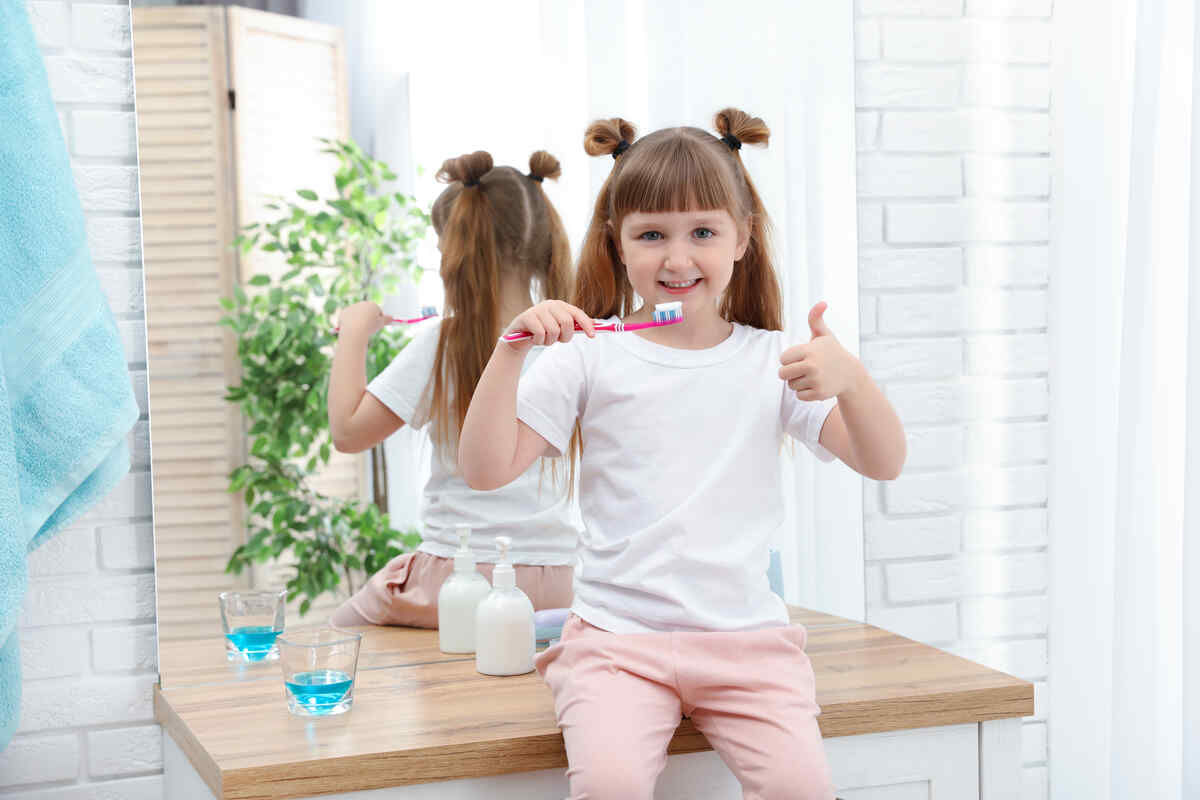
Why is brushing too quickly a common kids brushing mistake?
Brushing too quickly is one of the most common kids brushing mistakes in young children. Many kids brush for only a few seconds before stopping, which leaves plaque on their teeth. When brushing is rushed, it becomes one of the most frequent dental habit mistakes that can lead to cavities and other kids oral hygiene mistakes over time.
Young children often believe brushing is finished once the toothpaste foam appears. However, effective brushing requires enough time to clean every tooth surface.
Children often brush for less than 30 seconds
Studies and dental observations show that many children brush for far less than the recommended two minutes. This happens because:
Brushing may feel boring to young kids
Children may be eager to move on to other activities
Parents may assume brushing is finished sooner than it actually should be
When brushing is shortened, plaque remains on teeth and contributes to bad dental habits that increase cavity risk.
Plaque often remains on back teeth and along the gumline
Quick brushing usually means certain areas are missed completely.
The most commonly missed areas include:
back molars
inside surfaces of teeth
the gumline where plaque collects easily
These spots are where cavities often begin when kids brushing mistakes happen repeatedly.
Young children need guidance to brush long enough
Because children are still learning routines, parents often need to help guide brushing time. A simple two-minute routine can make a big difference in preventing kids oral hygiene mistakes.
Helpful ways to encourage longer brushing include:
playing a two-minute song during brushing
using a visual timer or brushing app
brushing together as a family
These small changes help turn brushing into a predictable routine while reducing bad dental habits that can harm growing smiles.

When should parents start flossing their child’s teeth?
Parents should start flossing their child’s teeth as soon as two teeth begin touching each other. When teeth touch, a toothbrush can no longer clean the space between them. Without flossing, plaque can collect in these tight areas, leading to cavities. Skipping flossing is one of the most common kids oral hygiene mistakes that can develop into long-term bad dental habits.
Cavities often form between teeth
Many parents focus on brushing but overlook the areas between teeth. Unfortunately, these tight spaces are where cavities frequently begin.
When flossing is skipped:
plaque remains trapped between teeth
Bacteria feed on leftover food particles
Enamel slowly begins to weaken
Over time, this becomes one of the more serious dental habit mistakes affecting young children.
Flossing helps clean areas that brushing cannot reach
Even when children brush well, the toothbrush bristles cannot fully clean between teeth. Floss removes plaque and food particles that brushing alone leaves behind.
Starting flossing early helps prevent kids from making brushing mistakes by leaving hidden areas unclean.
Flossing young children’s teeth can be simple
Many parents worry that flossing a young child’s teeth will be difficult. Fortunately, it can become part of the routine with a little practice.
Helpful tips include:
using child-friendly floss picks
flossing during the bedtime brushing routine
gently guiding the floss between teeth without snapping
Consistency is more important than perfection. Over time, children become comfortable with flossing as part of daily care.
Early flossing helps prevent bad dental habits
Teaching flossing early helps children understand that brushing alone is not enough. This habit reduces kids oral hygiene mistakes and encourages complete dental care.
When flossing becomes a normal part of the routine, children are much less likely to develop bad dental habits as they grow.
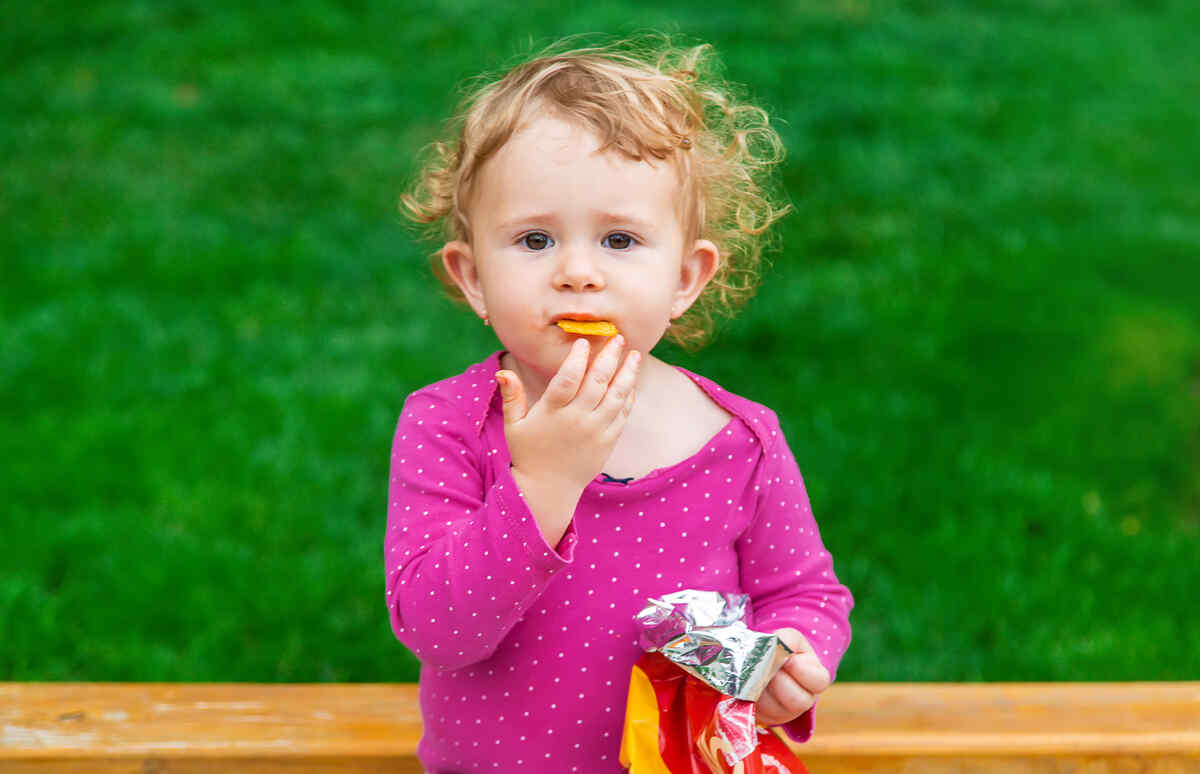
How do sugary snacks create bad dental habits for kids?
Frequent sugary snacks and drinks can quickly turn into bad dental habits that increase the risk of cavities in young children. Every time a child eats sugar, bacteria in the mouth produce acids that weaken tooth enamel. When this happens repeatedly throughout the day, it becomes one of the most common dental habit mistakes affecting early childhood oral health.
Young children often snack frequently, which means their teeth may be exposed to sugar many times per day.
It’s the frequency of sugar that matters most
Many parents think cavities only happen when children eat a lot of sugar at once. In reality, frequent small snacks can be more harmful than occasional treats.
Each time a child eats sugary or starchy foods:
Bacteria feed on leftover food particles
Acid attacks tooth enamel
The enamel slowly weakens
If this cycle repeats throughout the day, cavities can develop even when children brush regularly.
Sticky snacks can stay on teeth longer
Certain snacks are more likely to cling to teeth and feed cavity-causing bacteria.
Common examples include:
fruit snacks or gummies
crackers and chips
dried fruit
cookies or granola bars
These foods can stick to the grooves of teeth and contribute to kids oral hygiene mistakes if brushing does not remove them completely.
Sugary drinks can quietly damage teeth
Drinks often contain hidden sugars that parents may not immediately consider harmful to teeth.
Examples include:
fruit juice
flavored milk
sports drinks
sweetened teas
When children sip these drinks throughout the day, their teeth are constantly exposed to sugar. This pattern can develop into one of the most harmful dental habits.
Healthier snack habits help protect growing smiles
Parents do not need to eliminate treats completely. Instead, small changes can help reduce dental habit mistakes related to snacking.
Helpful strategies include:
offering water between meals instead of juice
Limiting snacks to scheduled snack times
choosing tooth-friendly snacks like cheese, yogurt, apples, or vegetables
encouraging children to drink water after sweet foods
These simple adjustments reduce sugar exposure and help prevent kids brushing mistakes from becoming cavity problems later.

Why can bedtime bottles or milk cause cavities in young children?
Letting a child fall asleep with a bottle or cup of milk or juice can lead to a serious dental habit mistake called early childhood tooth decay. When sugary liquids remain on teeth overnight, bacteria feed on those sugars and produce acids that damage enamel. Over time, this can create cavities and long-term bad dental habits.
Young children produce less saliva while sleeping, which makes it harder for the mouth to naturally wash away sugars.
Milk and juice both contain natural sugars
Many parents assume that milk is harmless for teeth. While milk is healthy for growing children, it still contains natural sugars that bacteria can feed on.
When a child falls asleep with milk or juice in their mouth:
Sugars coat the teeth
Bacteria produce acids
enamel slowly weakens overnight
This repeated exposure becomes one of the most common kids oral hygiene mistakes in toddlers.
Cavities often appear on the front teeth first
Bedtime bottles often allow liquid to pool around the upper front teeth. These teeth are especially vulnerable when sugar sits on them for long periods during sleep.
Over time, this pattern can lead to visible damage such as:
white chalky spots on teeth
brown discoloration
early cavities
These signs often appear before parents realize a bad dental habit has formed.
Gradually changing the bedtime routine can help
If a child is used to falling asleep with a bottle, the routine can be adjusted slowly to prevent kids oral hygiene mistakes while still keeping bedtime calm.
Helpful strategies include:
brushing teeth before bedtime every night
offering plain water instead of milk or juice at bedtime
gradually reducing bottle use during sleep
transitioning to a regular cup when developmentally appropriate
These small changes can help prevent one of the most damaging dental habit mistakes during early childhood.
Healthy bedtime routines protect growing smiles
A simple bedtime routine can dramatically reduce cavity risk. Ideally, the last step before sleep should always be brushing teeth, followed by no sugary drinks.
This routine helps prevent bad dental habits and supports strong oral health during the most important years of dental development.

Can using a sippy cup all day become a bad dental habit?
Yes, using a sippy cup throughout the day can become one of the most common bad dental habits in young children. When kids sip milk, juice, or sweet drinks frequently, their teeth stay exposed to sugar for long periods. This constant exposure can lead to cavities and other kids oral hygiene mistakes, even when children brush regularly.
The issue is not the sippy cup itself—it’s how often and what children drink from it.
Frequent sipping exposes teeth to sugar all day
When children carry a sippy cup around and take small sips throughout the day, their teeth are repeatedly exposed to sugar and acids.
Each sip can:
feed bacteria in the mouth
produce acid that weakens enamel
increase plaque buildup on teeth
Over time, this pattern becomes one of the most common dental habit mistakes that contributes to cavities in young children.
Juice and flavored drinks increase cavity risk
Many drinks commonly placed in sippy cups contain sugars that can harm teeth.
Examples include:
fruit juice
flavored milk
sweetened drinks
diluted juice
Even drinks that seem healthy can still contribute to kids oral hygiene mistakes when consumed frequently throughout the day.
Water is the best drink between meals
One of the easiest ways to prevent this bad dental habit is to reserve sugary drinks for mealtimes and offer water between meals.
Water helps:
rinse away food particles
reduce acid buildup
protect tooth enamel
Encouraging water between snacks can significantly reduce the risk of cavities.
Transitioning away from sippy cups helps prevent dental habit mistakes
As children grow, gradually transitioning from sippy cups to regular cups can help reduce prolonged sipping.
Helpful strategies include:
using sippy cups only during meals
offering water if children want a drink between meals
encouraging children to drink from open cups as they develop coordination
These small adjustments help prevent kids brushing mistakes from being undone by frequent sugar exposure.

How often should children’s toothbrushes be replaced?
Children’s toothbrushes should be replaced about every three months, or sooner if the bristles become worn or frayed. Using an old toothbrush is a common kids oral hygiene mistake because worn bristles cannot remove plaque effectively. Over time, this can contribute to kids brushing mistakes and other dental habit mistakes that increase the risk of cavities.
Keeping a fresh toothbrush helps children clean their teeth more thoroughly.
Worn bristles cannot clean teeth properly
Toothbrush bristles naturally wear down with daily use. When this happens, the brush becomes less effective at removing plaque and food particles.
Signs that a toothbrush should be replaced include:
bent or frayed bristles
flattened brush heads
discoloration from toothpaste buildup
When bristles lose their shape, brushing may leave plaque behind—even if children brush for the right amount of time.
Toothbrushes should also be replaced after illness
Another important time to replace a toothbrush is after a child has been sick.
Germs can remain on toothbrush bristles and potentially reintroduce bacteria into the mouth. Replacing the brush after illnesses such as colds or stomach bugs helps support better hygiene and prevents unnecessary kids oral hygiene mistakes.
Choosing the right toothbrush for young children
Using the right toothbrush can also help reduce kids brushing mistakes.
Parents should look for:
soft bristles that are gentle on gums
small brush heads designed for children’s mouths
comfortable handles that are easy for small hands to hold
Some children enjoy brushes with bright colors or characters, which can make brushing more engaging.
Making toothbrush replacement part of the routine
A simple way to avoid this dental habit mistake is to replace toothbrushes at predictable times.
Many families replace toothbrushes:
at the start of each new season
when the school calendar changes
during regular dental checkups
This habit helps ensure that brushing stays effective and that bad dental habits do not develop due to worn-out tools.
What early signs show that bad dental habits may be causing cavities?
Early cavities in young children often begin with small warning signs that parents may not immediately recognize. Many bad dental habits and kids oral hygiene mistakes develop gradually, so catching these early signals can help prevent more serious dental problems. Recognizing the first signs allows parents to correct dental habit mistakes before cavities worsen.
White spots on teeth
One of the earliest signs of tooth decay is the appearance of chalky white spots on the teeth.
These spots often form near the gumline and indicate that enamel is beginning to weaken. At this stage, cavities may still be preventable if brushing habits and daily routines improve.
White spots may appear when:
Plaque builds up along the gumline
Brushing misses certain areas
Sugary snacks are frequent
These patterns often stem from common kids brushing mistakes.
Yellow, brown, or dark discoloration
As tooth decay progresses, the color of affected areas may change.
Parents may notice:
yellow patches
light brown areas
darker spots on the teeth
These changes suggest that enamel damage has progressed beyond the earliest stage. At this point, kids oral hygiene mistakes may already be allowing bacteria to damage the tooth structure.
Sensitivity or discomfort while eating
Young children may not always explain dental discomfort clearly. However, parents might notice behavioral clues such as:
avoiding cold foods
chewing on only one side of the mouth
complaining that certain foods “hurt their teeth”
These symptoms can sometimes indicate that dental habit mistakes have already led to developing cavities.
Persistent plaque buildup
Plaque is a sticky film that forms on teeth when bacteria mix with food particles. When plaque remains on teeth regularly, it can signal that kids brushing mistakes are occurring.
Parents may notice plaque when:
teeth feel fuzzy after brushing
visible buildup appears near the gumline
certain teeth always look slightly dull or coated
This often indicates brushing is too quick or missing certain areas.
Why early detection matters
The earlier cavities are detected, the easier they are to treat or even reverse with improved oral care habits.
Correcting bad dental habits early can help:
strengthen tooth enamel
prevent larger cavities from forming
protect baby teeth until permanent teeth arrive
If parents notice any of these early signs, scheduling a dental visit can help ensure their child’s teeth stay healthy.
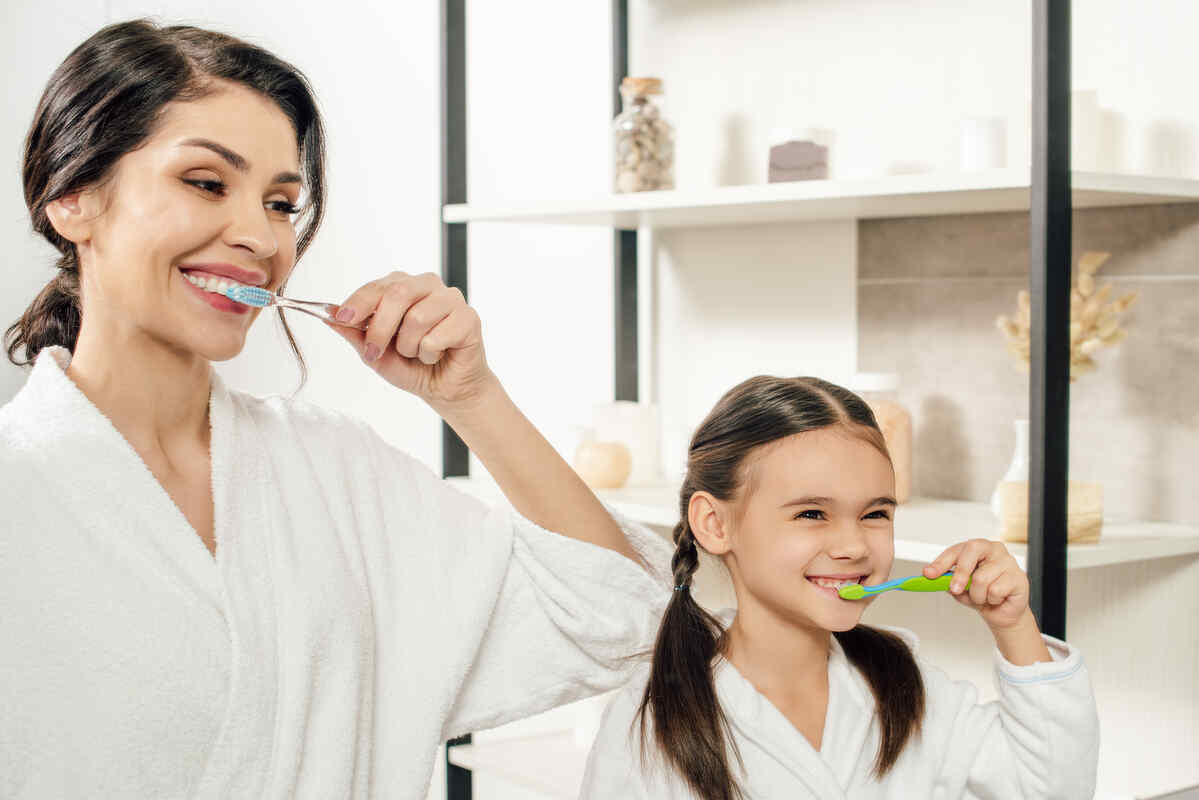
How can parents help young children build healthy dental habits?
Parents can help children build strong oral health routines by creating simple, consistent daily habits. Most dental habit mistakes and kids oral hygiene mistakes happen when routines are rushed or inconsistent. When brushing, flossing, and healthy eating become predictable parts of the day, children are far less likely to develop bad dental habits.
The key is consistency, guidance, and making dental care feel positive.
Create a simple morning brushing routine
Morning brushing removes plaque that builds up overnight and prepares children for the day.
A helpful routine can include:
Brushing teeth for two minutes
Using the correct amount of toothpaste
Parents checking or finishing brushing
Drinking water after brushing
Helping with brushing prevents kids from making brushing mistakes that often happen when children brush alone.
Make bedtime brushing non-negotiable
Nighttime brushing is one of the most important steps in preventing cavities. Food particles and sugars from the day must be removed before sleep.
A healthy bedtime routine might look like:
Brush teeth for two minutes
Floss if teeth touch
Avoid snacks or sugary drinks after brushing
Offer only water if a child wants a drink
This routine prevents bad dental habits that allow bacteria to stay on teeth overnight.
Encourage tooth-friendly snacks
Snack choices can play a big role in preventing kids oral hygiene mistakes related to sugar exposure.
Tooth-friendly snack options include:
cheese
yogurt
apples
carrots
cucumbers
Limiting sugary snacks between meals helps reduce acid attacks on tooth enamel.
Make brushing fun and engaging
Young children are more likely to cooperate when brushing feels fun rather than forced.
Parents can make brushing enjoyable by:
playing a two-minute brushing song
letting kids pick their own toothbrush
brushing together in front of the mirror
using a reward chart for consistent brushing
These strategies help reduce kids brushing mistakes while building confidence and independence.
Keep regular dental checkups
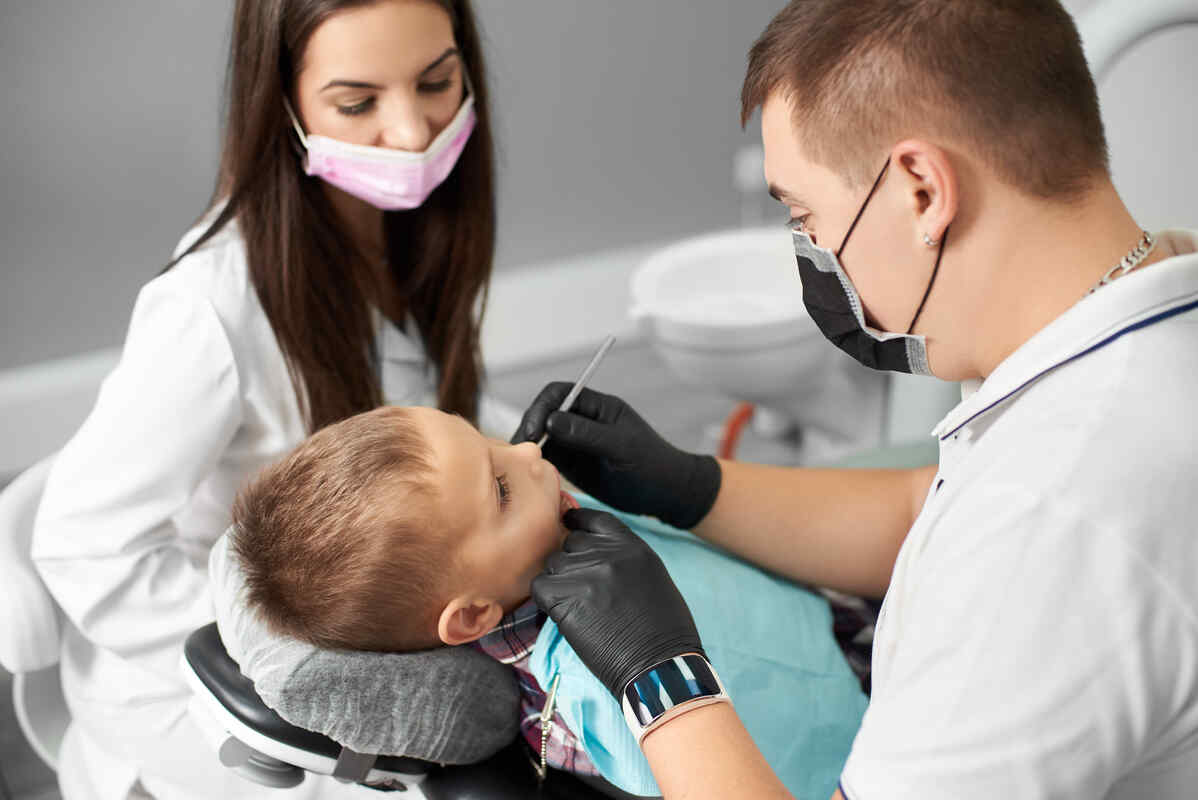
Regular dental visits help ensure children’s teeth stay healthy as they grow. Dentists can identify early signs of cavities and help families correct dental habit mistakes before they become larger problems.
Routine checkups also help parents stay informed about:
proper brushing techniques
flossing guidance
nutrition tips for healthy teeth
cavity prevention strategies

How can parents prevent dental habit mistakes and protect their child’s smile?
Most dental habit mistakes happen because parents simply were never taught the best routines for young children. The good news is that nearly all kids oral hygiene mistakes are easy to fix once families understand what to watch for.
By focusing on a few simple habits—helping children brush properly, limiting sugary snacks, flossing when teeth touch, and maintaining regular dental visits—parents can prevent many of the bad dental habits that lead to cavities.
Healthy dental routines do not need to be complicated. Small daily habits make the biggest difference.
When children learn to care for their teeth early, they develop the confidence and routines needed for a lifetime of strong, healthy smiles.
Helping Your Child Build Healthy Dental Habits for Life
Healthy smiles start with small daily routines. Many cavities in young children begin with simple dental habit mistakes that develop over time—such as rushing brushing, frequent sugary snacks, bedtime bottles, or letting kids brush without guidance. These everyday habits can slowly turn into bad dental habits that affect your child’s teeth if they aren’t corrected early.
The encouraging news is that most kids oral hygiene mistakes are very common and completely fixable. With the right routines, parents can help their children build strong dental habits that last a lifetime.
By focusing on a few consistent habits—helping children brush thoroughly, encouraging healthy snack choices, and maintaining regular dental checkups—parents can prevent many of the most common dental habit mistakes that lead to cavities.
Helping your child build healthy dental routines now sets the foundation for confident smiles and lifelong oral health.
If you have any questions about your child’s dental habits or would like to schedule a visit, call Hurst Pediatric Dentistry at (205) 969-7454. Our friendly team is always happy to help families keep their children’s smiles healthy and bright.
